China Top Chargers Is It Safe to Leave One Overnight?

Time:2026-10-20 Author:Charlotte
0%

Choosing China top chargers can feel confusing when safety claims vary across online listings. A low price does not automatically mean poor quality. However, a polished package cannot replace reliable engineering, clear instructions, and tested protection systems. The important question is simple: Is it safe to leave a battery charger on overnight?

The answer depends on the charger, battery, cable, and charging environment. Modern chargers may include overcharge protection, temperature control, short-circuit protection, and automatic power management. These features reduce risk, but they do not remove it completely. A damaged cable, swollen battery, loose socket, or blocked ventilation can change the situation quickly. Heat matters. A charger pressed beneath bedding has fewer ways to release heat than one placed on a hard, open surface.

Before sleeping, users should inspect the charger body and plug for cracks, discoloration, or unusual noise. They should use the correct charger for the battery type and follow the manufacturer’s instructions. A reputable supplier should provide traceable product information, electrical ratings, safety testing details, and responsive support. Vague specifications deserve caution.

No charger is risk-free. Even careful users can overlook a warm connector or a cable that bends sharply near the plug. That small mistake may matter. This guide examines practical safety checks, charger design, battery behavior, and trustworthy purchasing signals. It also considers when overnight charging may be reasonable and when unplugging remains the wiser choice.
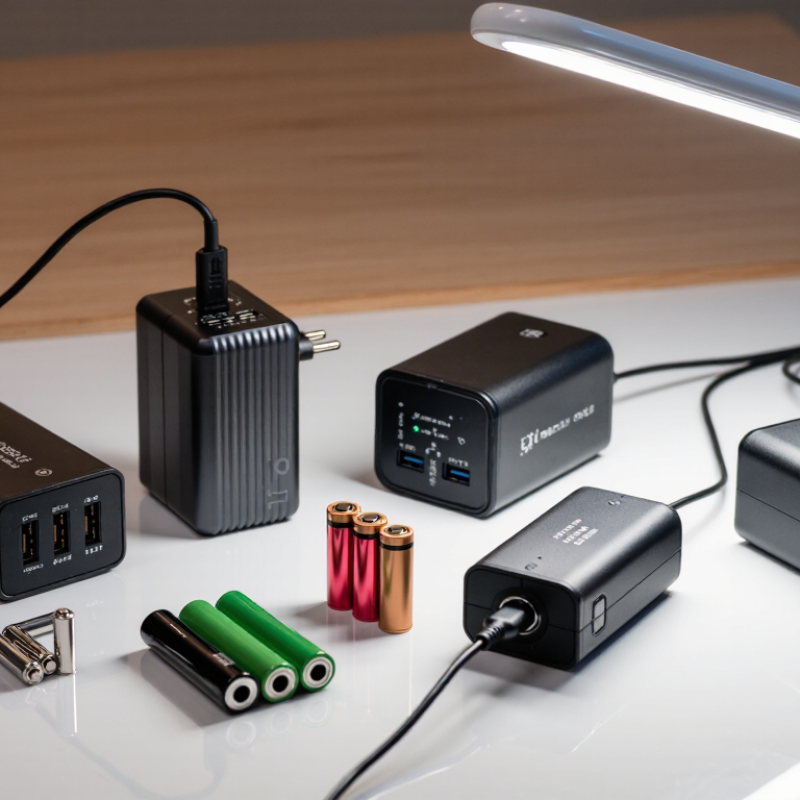
China Top Chargers Is It Safe to Leave One Overnight?

How Overnight Charging Works: USB Power Delivery’s 240 W Maximum

China Top Chargers: Is It Safe to Leave One Overnight?

How Overnight Charging Works: USB Power Delivery’s 240 W Maximum

USB Power Delivery can deliver up to 240 watts under its latest extended-power specification. That figure requires compatible equipment, a suitable cable, and a supported device. Most phones and many laptops use far less power. During charging, the source and device communicate before electricity flows. The device requests a safe voltage and current. A 240 W charger does not force 240 W into every battery. It supplies only what the device accepts.

Overnight charging usually becomes slower near full capacity. Battery management reduces current to limit heat and chemical stress. This process may pause and restart while the device remains connected. In a cool room, a certified charger on a hard surface is generally a sensible setup. Keep it away from bedding, moisture, and covered power strips. Inspect the cable for cuts, loose plugs, or unusual warmth. A hot connector deserves attention.

I once assumed higher wattage always meant faster and safer charging. That assumption was incomplete. Power depends on the device, cable rating, temperature, and charging software. Check the printed specifications instead of trusting a large number on the package. Do not combine damaged accessories with overnight use. If charging becomes unusually hot, smells strange, or disconnects repeatedly, unplug it and investigate before sleeping.

China Charger Safety Standards: GB 4943.1 and IEC 62368-1 Requirements

China Top Chargers: Is It Safe to Leave One Overnight?

Overnight charging is usually safe when the charger and device meet current safety requirements. In China, GB 4943.1-2022 covers audio, video, information, and communication technology equipment. Its technical approach closely follows IEC 62368-1. Both standards use hazard-based safety principles.

They assess electric shock, fire, overheating, insulation, creepage distance, and abnormal operating conditions. A compliant charger should limit dangerous energy, protect against short circuits, and control heat around the transformer and plug. During practical checks, I look for stable output, firm connections, and a housing that stays warm rather than hot. Small defects matter. A loose socket can increase resistance and create heat overnight.

Tips: Use a charger with clear ratings and applicable Chinese certification information. Check the cable for cuts, bent pins, or darkened plastic. Keep the charger on a hard, open surface, not under bedding. Avoid charging near water or in direct sunlight. If the plug smells burnt, crackles, or becomes unusually hot, unplug it immediately. GB 4943.1 compliance supports safer design, but it cannot correct damaged equipment or poor household wiring. Test reports also deserve careful review; an unclear certificate is not strong evidence.

China Top Chargers: Is It Safe to Leave One Overnight?

China Charger Safety Standards: GB 4943.1 and IEC 62368-1 Requirements

How to read this chart: IEC 62368-1 was published as a third-edition safety standard in 2014, while China's GB 4943.1-2022 became effective on August 1, 2023. Both standards use safety requirements intended to address hazards such as electric shock, fire, excessive temperature, and abnormal operating conditions.

These standards do not provide a universal “overnight charging hours” limit or guarantee that every charger is safe in every situation. Overnight use should only be considered when the charger is compliant, undamaged, adequately ventilated, and used with compatible equipment. Stop using a charger showing overheating, deformation, damaged cables, unusual odor, or intermittent charging.

Reference points: IEC 62368-1, Third Edition, 2014; GB 4943.1-2022, effective August 1, 2023.

Thermal Protection Systems: NTC Sensors, Fuses, and Overcurrent Cutoffs

China Top Chargers: Is It Safe to Leave One Overnight?

Leaving a charger connected overnight can be reasonable when its thermal protections work correctly. The real question is not the country of manufacture. It is the quality of the safety design.

An NTC sensor monitors temperature near heat-producing components. When temperatures rise, the control circuit can reduce charging current or stop operation. This response matters during warm nights or poor ventilation. A charger placed beneath bedding has less opportunity to release heat.

A fuse provides another layer of protection. It breaks the circuit when excessive current continues for too long. An overcurrent cutoff reacts electronically and may stop charging faster. These systems help limit damage from internal faults, damaged cables, or unstable electrical conditions.

However, protection is not magic. Sensors can fail, fuses can be incorrectly selected, and aging components may behave differently. That uncertainty deserves attention.

Tips:

Keep the charger on a hard, uncovered surface. Check for unusual warmth, buzzing, discoloration, or a sharp electrical smell. Stop using it if any warning sign appears. Use a cable with intact insulation and firm connectors. Avoid charging near water or under fabric.

My cautious view is simple: overnight charging is safer with multiple protections, but no device should receive blind trust. A cool room helps. Regular inspection helps more.

Key Risk Factors: Counterfeit Adapters, Damaged Cables, and Poor Ventilation

China Top Chargers: Is It Safe to Leave One Overnight?

Leaving a charger plugged in overnight can be safe when the adapter, cable, and surroundings are sound. The main concern is not the country of manufacture. It is poor quality control. Electrical Safety First reported that 397 of 400 tested counterfeit chargers failed at least one safety test. Weak insulation can expose users to shock or create arcing near a bed, desk, or carpet.

Damaged cables deserve equal attention. Look for split jackets, bent connectors, exposed wire, or unusual warmth near the plug. Stop using them immediately. I once treated a slightly frayed cable as harmless. That judgment was careless. A cable under a pillow also traps heat, while dust and fabric restrict airflow around the adapter. NFPA data reports about 32,620 U.S. home fires annually involving electrical distribution and lighting equipment, with roughly 470 deaths. Chargers are only one part of that category, but the figures show why small heat sources matter. Place the adapter on a hard, open surface, keep it away from water, and avoid overnight charging when the unit feels hot, buzzes, smells unusual, or fits loosely. Even certified equipment can fail. That possibility is easy to forget.

China Top Chargers Is It Safe to Leave One Overnight? - Key Risk Factors: Counterfeit Adapters, Damaged Cables, and Poor Ventilation
Risk Factor Typical Cause Potential Hazard Risk Level Warning Signs Recommended Safety Action
Counterfeit or Non-Compliant Adapter Missing safety markings, inaccurate electrical ratings, poor insulation, or inadequate protection against overcurrent and overheating. Electric shock, short circuit, overheating, fire, or damage to the connected device. High Excessive heat, buzzing, burning odor, discoloration, loose pins, or inconsistent charging. Stop using it immediately. Replace it with a charger that has verifiable compliance information and ratings compatible with the device.
Damaged, Frayed, or Bent Cable Repeated bending, crushed sections, exposed conductors, damaged connectors, or worn insulation. Short circuit, electric shock, intermittent charging, localized heating, or connector failure. High Visible wire exposure, cracked insulation, hot connector ends, sparks, or charging that stops when the cable moves. Unplug and replace the cable. Do not repair exposed conductors with tape or continue using a cable that becomes hot.
Poor Ventilation Charging under bedding, inside a bag, on soft furnishings, or beside other heat-producing equipment. Heat buildup can accelerate component degradation and increase the possibility of thermal damage or fire. High Hot adapter housing, reduced charging speed, repeated thermal shutdown, or a hot surrounding surface. Charge on a hard, stable, uncovered surface with space around the adapter. Keep vents unobstructed.
Overnight or Unattended Charging The charger remains connected for many hours without visual monitoring. A hidden defect, damaged cable, or abnormal temperature rise may remain unnoticed. Medium Unexpected heat, unusual odor, repeated charging interruptions, or visible damage before bedtime. Use a compliant charger and undamaged cable, place them in a ventilated area, and avoid overnight charging when any warning sign is present.
Incorrect Voltage, Current, or Connector Using equipment with incompatible output specifications or forcing an unsuitable connector. Device malfunction, battery stress, overheating, or damage to the charger and device. High Charging fails, the device becomes unusually hot, or the connection is loose or difficult to insert. Check the device and charger ratings before use. Do not force connectors or mix incompatible charging equipment.
Damaged Socket, Plug, or Power Strip Loose contacts, overloaded power strips, cracked housings, or poorly maintained electrical outlets. Arcing, localized heating, electric shock, or fire. High Plug movement, crackling sounds, scorch marks, sparks, or a hot outlet or power strip. Disconnect the charger and stop using the outlet or power strip until it has been inspected or replaced.
Moisture or Contamination Water, condensation, dust, or metal debris entering the connector or adapter. Short circuit, corrosion, electric shock, or sudden overheating. High Moisture near the connector, corrosion, erratic charging, or a burning smell. Disconnect from power, allow equipment to dry completely, and replace any component showing corrosion or damage.
Normal, Undamaged Charging Setup Compliant charger, compatible ratings, intact cable, dry surroundings, and adequate airflow. Overnight charging is generally lower risk, although no electrical setup is completely risk-free. Lower No unusual heat, odor, noise, discoloration, or charging interruptions. Keep the setup uncovered and ventilated, inspect it regularly, and unplug it if abnormal heat, smell, smoke, or sparking occurs.
Immediate response: If a charger or cable produces smoke, sparks, a strong burning odor, or extreme heat, disconnect power only if it is safe to do so, keep away from the equipment, and contact local emergency services if a fire develops.

Overnight Charging Checklist Based on USB-IF and Manufacturer Guidance

China Top Chargers: Is It Safe to Leave One Overnight?

Overnight charging can be reasonable when the charger, cable, and device meet clear safety guidance. A practical checklist starts with the manufacturer’s instructions. Confirm the charger supports the device’s required voltage, current, and charging protocol. USB-IF compliance information can provide useful evidence of tested USB performance, but it does not replace the device maker’s advice.

Inspect the setup before bedtime. The charger casing should be intact, with no cracks, loose pins, buzzing, or unusual odor. Check the cable ends for bent contacts or exposed wires. Use a firm wall outlet, not a damaged extension lead. Keep the charger on a hard, uncovered surface.

Avoid beds and sofas.

Do not place a warm device beneath clothing or blankets. Leave space around the adapter so heat can escape. Keep liquids away, even if the product claims some resistance. If charging becomes unusually hot, repeatedly disconnects, or smells burnt, unplug it and stop using it. Never ignore small warning signs.

Modern devices often reduce or stop charging after reaching capacity, but this feature is not universal. Settings may vary by model and software version. I would not call overnight charging risk-free. A checklist can miss an internal fault. For older equipment, unknown accessories, or damaged parts, daytime charging allows closer observation and a quicker response. The safest choice remains the one supported by the current manufacturer guidance and verified product documentation.

FAQS

Can a high-wattage charger force maximum power into every device?

No. The device requests suitable voltage and current. A 240-watt charger supplies only what the device accepts. Higher wattage does not guarantee faster charging.

Is overnight charging generally safe?

Usually, yes, when the charger, cable, and device are undamaged. Charging often slows near full capacity. Battery controls reduce current and heat.

Where should a charger stay overnight?

Place it on a hard, open surface. Keep it away from bedding, carpets, moisture, and direct sunlight. Airflow matters.

What cable problems require immediate replacement?

Stop using cables with split jackets, exposed wires, bent pins, or darkened plastic. Unusual warmth near the plug also matters. Small damage can worsen overnight.

How can I recognize dangerous overheating?

Watch for excessive heat, buzzing, burning smells, repeated disconnections, or a loose connection. Unplug the equipment immediately. Do not investigate while it remains powered.

What safety requirements should a charger meet in China?

Check for clear ratings and applicable certification information. GB 4943.1-2022 addresses shock, fire, insulation, overheating, and abnormal operation. Certification supports safer design, but it cannot repair damaged equipment.

Why are counterfeit or poorly made adapters risky?

Weak insulation may cause electric shock or electrical arcing. Poor heat control can also raise fire risk. A cheap appearance is not proof, but unclear documentation deserves caution.

Can a safe charger still become dangerous?

Yes. Damaged wiring, blocked ventilation, dust, or loose sockets can create heat. I once ignored a slightly frayed cable. That judgment was careless.

Should I leave a charger connected during repeated charging pauses?

Charging may pause and restart near full capacity. This behavior is normally controlled by the device. Keep checking temperature, cable condition, and the surrounding surface. Don’t assume perfection.

Conclusion

Is it safe to leave a battery charger on overnight? In most cases, modern chargers are designed to manage charging safely, but safety depends on the charger, cable, battery, and surrounding conditions. USB Power Delivery can support power levels up to 240 W, while compliant products are expected to meet requirements such as GB 4943.1 and IEC 62368-1. These standards address electrical insulation, temperature limits, protection against fire, and other potential hazards.

Many chargers also use NTC temperature sensors, fuses, and overcurrent cutoffs to reduce risks caused by overheating or abnormal power flow. However, counterfeit or poorly manufactured adapters, damaged cables, overloaded outlets, and poor ventilation can still create danger. Before charging overnight, use a certified charger and undamaged cable, place the device on a hard, uncovered surface, keep it away from heat and moisture, and stop using it if it becomes unusually hot, smells abnormal, or shows visible damage. Following the manufacturer’s instructions remains essential.

Charlotte

Charlotte

Charlotte is a seasoned marketing professional with a deep understanding of the company's portfolio and a passion for elevating its presence in the market. With a keen eye for detail and a commitment to excellence, she ensures that our professional blog is regularly updated with insightful articles......