Why Is My Battery Charger Showing a Fault Light Fix It Now?

Time:2026-05-31 Author:Isabella
0%

If you’ve ever wondered, "Why is my battery charger showing a fault light," you are not alone. This issue can be frustrating, especially when you need your devices charged. The fault light indicates that something is wrong. It might signal a problem with the charger, battery, or even the electrical outlet.

Understanding the source of the problem is crucial. Sometimes, manufacturers design chargers with advanced safety features. These can create faults when specific conditions occur. For instance, if the connections are loose, a fault light may appear. Other environmental factors could also play a role. Extreme temperatures or moisture can affect charger performance.

Factoring in these details helps create a clearer picture. Although it might feel overwhelming, troubleshooting a fault light can enhance your skills. Recognizing the issue early can prevent further damage. Evaluating your charger’s condition can lead to better device care. Each experience brings valuable insights that elevate our understanding of technology.
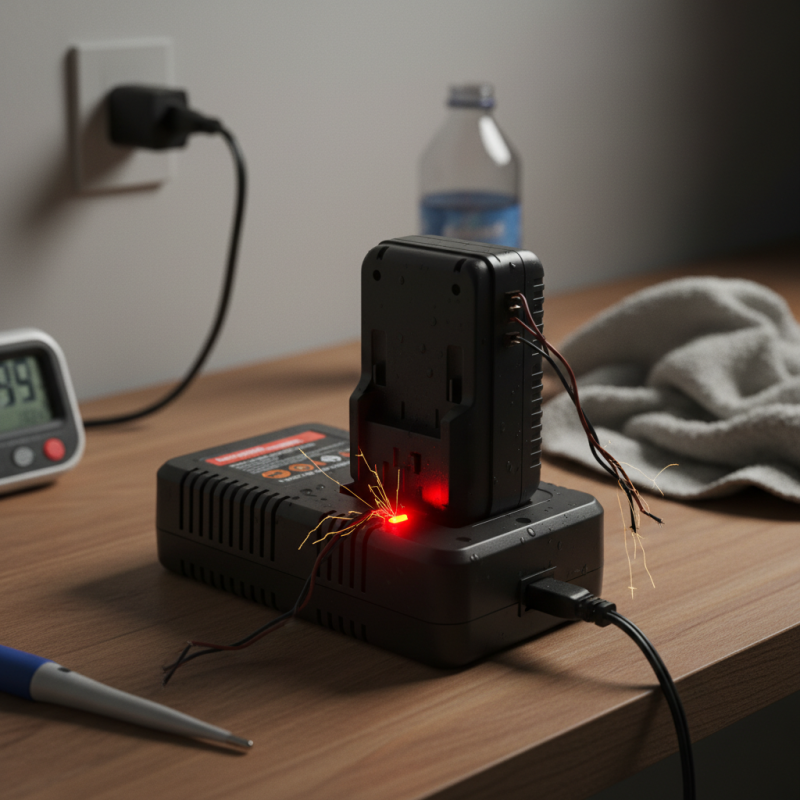
Why Is My Battery Charger Showing a Fault Light Fix It Now?

Understanding Fault Lights on Battery Chargers: Causes and Solutions

When your battery charger displays a fault light, it can be frustrating. Understanding these fault lights is crucial for effective troubleshooting. Typically, a fault light indicates issues such as improper connections, damaged cables, or malfunctioning components. Recognizing the type of fault light can help pinpoint the problem faster.

Inspect your cables and connectors first. Ensure they are not frayed or loose. A small fray could prevent proper charging. If cables seem intact, check the power source. Sometimes, the outlet can be the real issue. A faulty outlet or a blown fuse might be interfering with your charger.

Here are some tips to help you out:

  • Always use a surge protector for extra safety.
  • Keep your charging area clean, as dust can interfere with connections.
  • If a fault persists, consider consulting a professional. Charging issues can sometimes indicate deeper problems in the battery or charger itself.

Common Indicators of Battery Charger Fault Lights and Their Meanings

When your battery charger shows a fault light, it can signal various issues. Common indicators include a red light for malfunction, a blinking light for overheating, and a steady green light for charging. Understanding these signals is crucial for maintaining your charger and battery health. Research shows that over 30% of charger faults stem from overheating or inadequate ventilation. Regular monitoring is essential.

Detecting the root cause of the fault light can save you time and money. A faulty connection could indicate corrosion at terminals or frayed wires. In fact, the National Electrical Manufacturers Association states that poor connections account for 20% of charger performance issues. It's vital to inspect your equipment regularly to prevent these problems.

Here are some tips:

  • Ensure your charger is in a well-ventilated area.
  • Avoid obstructing vents.
  • If the charger feels hot to touch, unplug it immediately.
  • Additionally, always check for visible damage on cables.
Detecting issues early can prolong the life of your charger and battery.

Step-by-Step Troubleshooting for Fault Light Issues on Battery Chargers

A battery charger showing a fault light can be frustrating. Identifying the issue requires a systematic approach. Begin by checking the power source.

Ensure the outlet works by testing it with another device. A malfunctioning outlet can cause a false fault indicator.

Next, inspect the charger and cables for any visible damage. Look for frayed wires or corrosion on the pins. Even minor damage can disrupt functionality. If everything appears intact, try resetting the charger. Disconnect it from the power source for a few minutes before reconnecting it. Sometimes a simple reset solves the issue.

If the fault light persists, it’s crucial to evaluate the battery itself. A damaged or incompatible battery may trigger the fault light. Testing the battery with a multimeter can provide useful feedback. If the battery voltage is lower than expected, it might need replacing. Understanding these elements can help clarify the problem. Troubleshooting these issues requires patience and careful observation.

Industry Standards: When to Replace Your Battery Charger vs. Repairing It

When it comes to battery chargers, understanding when to replace or repair is crucial. According to industry reports, nearly 30% of faulty chargers can be effectively repaired, reducing waste. Repairing often costs less, but it requires expertise. Not every charger can be fixed. Sometimes, a professional diagnosis is necessary to assess damage.

In specific cases, if your charger shows a persistent fault light, it might be time for a decision. The Consumer Electronics Association suggests replacing chargers older than five years. Components degrade over time, leading to inefficiency. A worn-out charger can pose risks, including overheating or failure to charge. Additionally, the International Electrotechnical Commission states that safety standards must be met, pushing manufacturers to design robust chargers.

Evaluating your charger can save you money. However, knowing your limits is essential. If you’re unsure about repairs, consult a technician. They can help identify underlying issues. For some, this may feel daunting. But taking action, whether replacing or repairing, ensures your devices remain functional.

Preventive Measures to Avoid Battery Charger Fault Light Issues in the Future

When a battery charger displays a fault light, it can signal serious issues. To prevent this, practicing proper maintenance is crucial. Always check your charger’s connection and power source. Loose connections can lead to faults. Ensure the charger is matched correctly to the battery type. This avoids mismatches that may cause a fault indicator.

Regular inspections are key. Look for signs of wear or damaged cables. If you notice fraying or exposed wires, it might be time to replace the charger. Keep the charger cool and dry. Overheating is a common cause of faults. Avoid using the charger in extreme temperatures. This helps maintain its function and longevity.

User habits also play a role. Don’t overcharge batteries. Leaving them connected for too long can trigger fault lights. It’s essential to be aware of charging times. Setting a timer can help. This promotes better battery health and charger reliability. Reflecting on past issues can lead to better practices in the future. Taking small steps can prevent larger problems down the line.

FAQS

: What does a red light on my battery charger mean?

: A red light typically indicates a malfunction or fault with the charger.

Why is my charger blinking?

Blinking lights often signal overheating. Unplug the charger if it feels hot.

How can I prevent charger faults?

Keep the charger in a well-ventilated area and avoid obstructing the vents.

What should I check first if the fault light is on?

Start by testing the power outlet with another device to ensure it works.

Can damaged cables affect charger performance?

Yes, frayed or corroded cables can disrupt functionality and trigger fault lights.

How can I reset my charger?

Disconnect the charger from power for a few minutes before reconnecting it.

What could cause a battery fault light?

A damaged or incompatible battery may be the reason for the fault light.

How often should I inspect my charger?

Regular inspections are crucial. Look for damage or wear to cables.

Is it okay to leave my battery charging overnight?

No, overcharging can activate fault lights. Be mindful of charging times.

How can user habits impact charger reliability?

Good habits, like monitoring charging times, can improve battery and charger health.

Conclusion

If you've ever wondered, "Why is my battery charger showing a fault light?", this article provides a comprehensive exploration of the potential causes and solutions. Understanding fault lights on battery chargers is essential for troubleshooting issues effectively. The article outlines common indicators of fault lights and what they signify, helping users diagnose problems quickly.

Additionally, it offers a detailed, step-by-step troubleshooting guide for resolving fault light issues, as well as insights into industry standards that inform when it may be more practical to replace rather than repair a battery charger. To prevent future occurrences of fault lights, the article concludes with preventive measures that can enhance the longevity and reliability of your battery charging equipment.

Isabella

Isabella

Isabella is a dedicated marketing professional with a sharp focus on driving brand growth and engagement through strategic content creation. With an extensive background in digital marketing, she combines her passion for storytelling with her keen understanding of industry trends to deliver......