When you notice a battery emitting a smell akin to rotten eggs while charging, it’s crucial to act promptly. This distinct odor often indicates a problem with the battery, typically involving sulfur gas. As Dr. Linda Morgan, a battery technology expert, states, "A rotten egg smell is a warning sign that should not be ignored."
Understanding what to do if a battery smells like rotten eggs when charging is essential for safety. The first step is to disconnect the charger and move the battery to a well-ventilated area. This reduces the risk of exposure to harmful gases. It’s also wise to inspect for any visible damage or leaks.
Staying alert to these signs is vital. Many overlook early warning signs due to busy lifestyles. However, neglecting a potentially hazardous situation can lead to severe consequences. Take these warnings seriously. Always prioritize safety and knowledge when dealing with electrical devices.
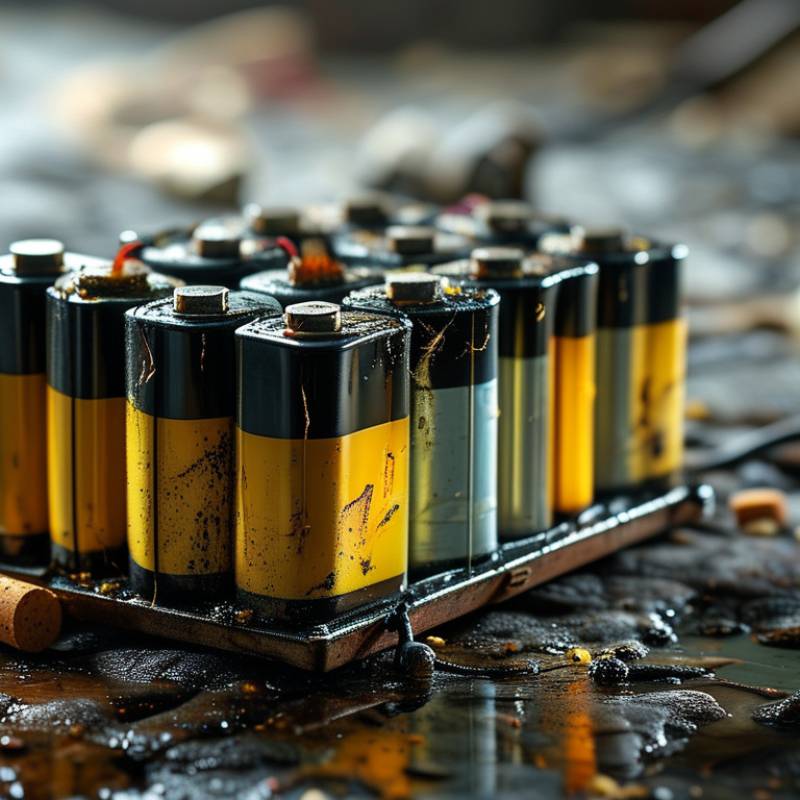
When charging batteries, some users may notice a distinct rotten egg smell. This odor usually indicates an underlying issue. A battery emits hydrogen sulfide gas when it experiences excessive heat or fails internally. This gas, known for its foul smell, poses potential dangers. The U.S. Consumer Product Safety Commission reported that poor battery maintenance leads to 30% of battery-related incidents.
Overcharging is a common reason for this odor. It causes the electrolyte fluid to break down, releasing gases. A study by the National Renewable Energy Laboratory found that a battery overcharged by just 10% could swell and emit harmful gases. Users should charge batteries in cooler environments. Heat accelerates chemical reactions within the battery, increasing risks.
Another factor is sulfation, which occurs when batteries sit unused for too long. Sulfation builds up lead sulfate crystals, resulting in battery inefficiency and odors. A maintenance report revealed that 20% of batteries fail prematurely due to neglect. Regularly checking battery status can help prevent these issues. Remember to ensure your charging areas are well-ventilated to minimize risks associated with hydrogen sulfide gases.
When your battery emits an odor reminiscent of rotten eggs, it often signals a chemical issue. This unpleasant smell typically arises from hydrogen sulfide gas. This gas can form during the charging process, especially in lead-acid batteries. The breakdown of sulfuric acid in the battery can produce this gas when the battery overheats or becomes overcharged.
Other factors may also contribute to this eggy scent. Poor ventilation during charging can exacerbate the problem, trapping gases. Additionally, old or damaged batteries are more likely to release these harmful fumes. Regular maintenance and timely battery replacement can reduce the smell and the risk of battery failure.
Tips: Ensure proper airflow around your battery during charging. This simple step can help minimize odors. It's also wise to inspect batteries regularly. Look for signs of swelling or corrosion. If you notice unusual smells often, consider consulting a professional for a thorough check-up. Awareness of these signs can promote safety and prolong the life of your battery.
Batteries can emit a foul odor that resembles rotten eggs when charging. This smell often indicates a problem, particularly sulfuric acid leakage. This type of leakage occurs when a battery is overcharged or damaged. Sulfuric acid, a key component of battery electrolyte, creates a pungent smell when it escapes.
When you notice this odor, it's crucial not to ignore it. Prolonged exposure to sulfuric acid can cause health issues. Fumes can irritate your respiratory system. Additionally, the acid can damage nearby surfaces. If you detect this smell, consider turning off the charging device immediately.
Tips: Always ensure that your battery is placed in a well-ventilated area. Avoid charging batteries overnight or unattended. Regularly inspect your batteries for any signs of swelling or leakage. If you spot damage, replace the battery promptly to prevent any hazardous situations.
When charging a battery, a rotten egg smell often signals a problem. This unusual odor usually arises from the production of hydrogen sulfide gas. Overcharging is a common cause for this reaction, leading to electrolyte breakdown. The electrolyte may be made up of sulfuric acid and water. During overcharging, excess current breaks down water molecules, releasing hydrogen and oxygen. This imbalance can create sulfuric compounds, contributing to that foul smell.
It’s essential to recognize early signs of overcharging to prevent serious battery damage. Pay attention if your battery gets excessively hot. This heat can increase the risk of gas buildup. If you detect odors, disconnect the charger. Check the battery for signs of leaks or swelling. Ignoring these signs can lead to hazardous situations or even battery failure. Frequent checks can help maintain battery health and avoid dangerous chemical reactions.
| Reason | Description | Impact on Battery |
|---|---|---|
| Overcharging | Excessive charging causes internal pressure and heat. | Can lead to battery failure and gas production. |
| Battery Age | Older batteries may not hold charge effectively. | Increased risk of swelling and leakage. |
| Poor Ventilation | Lack of airflow can cause heat buildup. | Enhances chances of electrolyte breakdown. |
| Temperature Extremes | High temperatures accelerate chemical reactions. | Leads to rapid wear and possible damage. |
| Faulty Charger | Defective chargers can cause erratic charging. | Risks overheating and battery damage. |
| Sulfur Buildup | Sulfation reduces battery efficiency. | Can lead to short circuiting. |
| Corrosion | Corroded terminals affect performance. | Prevents proper charging and connection. |
| Battery Design | Some designs are more prone to overheating. | Can increase risk of failure under load. |
| Frequent Deep Cycling | Repetitive deep discharges can shorten lifespan. | Affects ability to hold and retain charge. |
| Incomplete Charging | Stopping charge early can lead to incomplete cycles. | Results in decreased capacity over time. |
When charging, a battery may emit an odor resembling rotten eggs. This unpleasant smell is often a clear sign of overheating issues. Excessive heat can alter the chemical reactions in the battery. In turn, this can lead to the release of sulfur compounds. This process not only affects the battery’s efficiency but also poses safety risks.
The temperature affects battery chemistry significantly. An increase in temperature can speed up reactions, potentially causing the battery to swell or leak. Even standard charging can become problematic in high temperatures. If your battery feels excessively warm, it’s time to act. Insulating materials might retain heat and worsen the situation.
It's essential to charge batteries in a cool, well-ventilated space. A noticeable odor warrants immediate attention. Sometimes, people ignore mild signs of trouble. A small smell can evolve into a more serious problem. Staying vigilant about these details can prevent more significant issues later.
When you notice a rotten egg smell while charging your battery, it’s a serious warning sign. This odor typically indicates the release of hydrogen sulfide gas. This gas is produced when the battery is overheating or experiencing a chemical reaction due to damage. Ignoring these smells can lead to more significant issues, including battery failure or even leaks.
When you sense an unusual smell, inspect your battery immediately. Look for swelling or any discoloration. These can be signs of failure. Ensure you're charging your battery in a well-ventilated area to prevent gas accumulation. Charging devices should not be covered or placed against heat-retaining surfaces.
Always store batteries in a cool, dry space. High temperatures can exacerbate potential issues. If the smell persists, consider consulting a professional for further analysis. Regular checks can help detect early warning signs before they evolve into major problems. Remember, proactive measures can significantly extend your battery's lifespan.
: It often means there is a problem, likely sulfuric acid leakage.
Overcharging or damage to the battery can cause this leakage.
Prolonged exposure to sulfuric acid can harm your health and nearby surfaces.
Turn off the charging device immediately and inspect the battery.
Avoid charging overnight and place batteries in a well-ventilated area.
Excessive heat or unusual odors can suggest overcharging is occurring.
Regular checks can help catch issues early and maintain battery health.
Ignoring these signs can lead to hazardous situations or battery failure.
Yes, fumes can irritate the respiratory system and cause discomfort.
Check for swelling, leaks, or any physical damage to the battery.
When charging a battery, a smell resembling rotten eggs can be alarming and is often a sign of underlying chemical reactions. This odor is primarily caused by the production of sulfur compounds, particularly when sulfuric acid leaks from the battery due to overcharging or other failures. Understanding the chemistry of batteries reveals that excessive heat and improper charging can exacerbate these issues, leading to increased sulfur production.
If you notice this unpleasant smell, it is crucial to take immediate action. What to do if a battery smells like rotten eggs when charging includes disconnecting the battery from the power source to prevent further damage. It is also advisable to examine the battery for any visible signs of leakage and to consult a professional for further assessment and potential replacement if necessary. Recognizing these warning signs early can help prevent more serious battery failure or safety hazards.

Hyper Charger