How to Choose the Best Charger for Lead-Acid vs Lithium Batteries?

Time:2026-03-27 Author:Sophia
0%

Choosing the right charger is crucial for maintaining battery health. Lead-acid and lithium batteries differ significantly in their charging requirements. Understanding these differences is essential for optimal performance.

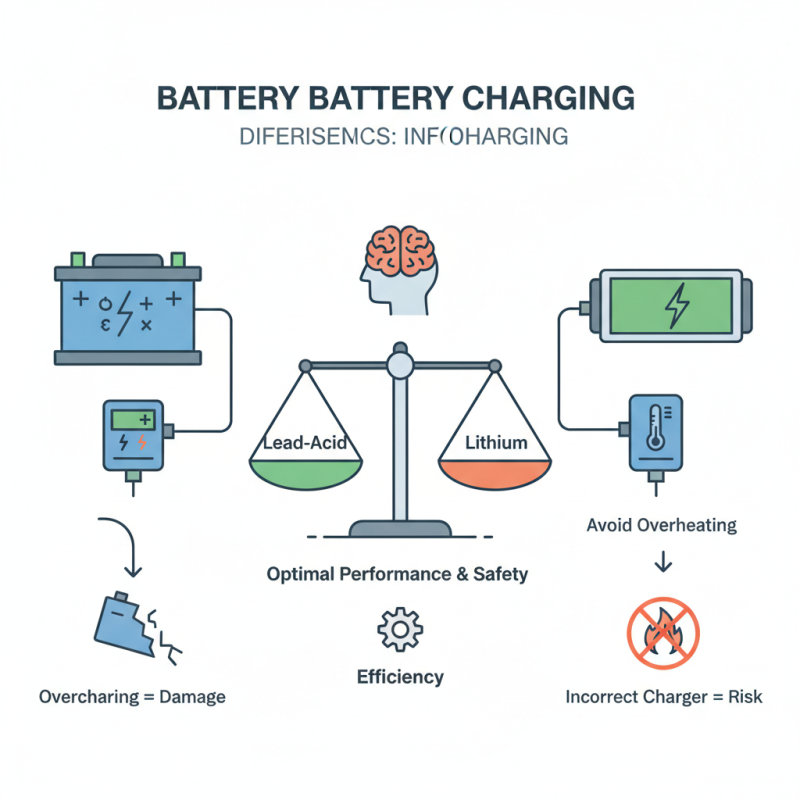
When it comes to lead-acid batteries, chargers must provide the correct voltage and current. Overcharging can lead to damage and reduced lifespan. Many users overlook this detail. The process often involves multiple stages. A smart charger can adjust as needed. This is vital for effective charging.

On the other hand, lithium batteries require a specific charging profile to avoid overheating. Using an incorrect charger can be risky. It might lead to battery failure. Users should pay close attention to charger specifications. In short, understanding how to choose the right charger for lead-acid vs lithium batteries can prevent costly mistakes. Proper choices enhance efficiency and safety.
How to Choose the Best Charger for Lead-Acid vs Lithium Batteries?

Understanding the Differences Between Lead-Acid and Lithium Batteries

When choosing between lead-acid and lithium batteries, understanding their differences is crucial. Lead-acid batteries have been around for over a century. They are reliable but heavy and have a shorter lifespan. Typically, their lifespan is around 500 cycles. On the other hand, lithium batteries are lighter and can last for over 2000 cycles. This longevity makes them increasingly popular in various applications.

Charging characteristics also vary. Lead-acid batteries require a slower charging process, often needing about 14 to 14.6 volts. Lithium batteries, in contrast, can be charged faster with voltages around 14.4 to 14.6 volts, depending on the specific chemistry. This faster charge means less downtime, a significant factor in industries needing efficiency. However, incorrect charging practices can lead to battery damage, especially in lithium batteries where overvoltage can be detrimental.

Cost is another factor that can't be overlooked. Lead-acid batteries are initially cheaper, costing approximately 30% less than lithium alternatives. However, their shorter lifespan and lower efficiency may result in higher long-term expenses. Understanding these nuances helps consumers make informed choices, recognizing that immediate costs may not reflect true value over time.

Comparison of Charging Times for Lead-Acid and Lithium Batteries

This chart illustrates the average charging time comparison between Lead-Acid and Lithium batteries across different capacities. The data shows that Lithium batteries charge significantly faster compared to Lead-Acid batteries.

Key Factors to Consider When Choosing a Charger

When choosing a charger for lead-acid versus lithium batteries, several key factors come into play. One of the primary considerations is the charging profile. Lithium batteries require a specific charging algorithm for optimal performance. If a lead-acid charger is used, the lithium battery may overcharge or become damaged. In contrast, lead-acid batteries have more forgiving charging profiles, but they can suffer from sulfation if not maintained properly.

Another important factor is the charging current. Lithium batteries typically require a higher charge rate, often between 1C to 2C, while lead-acid batteries should be charged at a rate of 0.1C to 0.3C to avoid overheating. According to recent industry reports, using the correct charging current can extend battery life by 20% for lithium units, compared to improper charging methods.

Compatibility is essential as well. Many chargers are designed for multiple battery chemistries, but not all perform equally. For instance, a charger that works well for lithium may not adequately charge a lead-acid battery. It's crucial to consult manufacturer specifications. Overcharging or using the wrong charger can lead to significant safety issues and damaged batteries. A clear understanding of these factors can prevent costly mistakes.

Types of Chargers Suitable for Lead-Acid Batteries

When it comes to charging lead-acid batteries, there are specific types of chargers that can enhance battery performance and longevity. Smart chargers are a popular choice. They automatically adjust their output as the battery charges. This prevents overcharging and reduces the risk of damage. These chargers often have LED indicators, making it easier to monitor the charging status.

Another option is multi-stage chargers. These chargers use different phases to charge the battery. This process includes bulk, absorption, and float stages. During the bulk stage, the charger delivers maximum current until the battery reaches a certain voltage. This method is efficient but requires attention. If not monitored, it can lead to problems if the battery is left connected for too long.

Trickle chargers are also suitable. They maintain battery power without overcharging. However, they do not provide the quick charge that many may need. It's important to carefully consider the charger’s specifications. The wrong choice can weaken the battery over time. Reflecting on your needs helps. Identify how often you charge and your battery's type. Making the right decision can save you from future headaches.

Types of Chargers Suitable for Lithium Batteries

When selecting a charger for lithium batteries, it's essential to understand their unique requirements. Lithium batteries are sensitive to charge rates and voltages. Using the right charger enhances battery life and performance. A dedicated lithium battery charger should automatically adjust the charging process. This ensures optimal charging without risks.

Consider the different types of chargers available. For instance, a smart charger monitors battery conditions. It detects battery temperature and adjusts the charge accordingly. This feature can prevent overheating. Some chargers come with multiple charging modes, catering to various lithium battery types. Users need to check compatibility before purchasing.

Many chargers have LED indicators. These lights display charging status and errors, which is useful. However, not all chargers provide this feature. Always read user reviews. Some models may not function as advertised. Find a balance between cost and quality—sometimes, cheaper options can lead to disappointments. Investing in a reliable charger often pays off in the long run.

How to Choose the Best Charger for Lead-Acid vs Lithium Batteries

Battery Type Charger Type Charging Voltage (V) Charging Current (A) Typical Use Cases
Lead-Acid Standard Charger 12-14.4 4-10 Automotive, RVs
Lead-Acid Smart Charger 12-14.8 2-8 Boats, Motorcycles
Lithium Dedicated Lithium Charger 14.6-16.8 5-20 Drones, E-bikes
Lithium Balancing Charger 13.0-16.0 2-30 Electric Vehicles

Best Practices for Maintaining Battery Health with the Right Charger

Choosing the right charger for either lead-acid or lithium batteries is essential for their longevity. Lead-acid batteries require a specific charging routine. They need to be charged slowly, ideally at a lower voltage. Overcharging can lead to sulfation, which reduces battery capacity. Always monitor the voltage.


Lithium batteries, on the other hand, demand a different approach. They thrive on a faster charging process but are sensitive to overcharging. A good practice is to use chargers with built-in protections. This prevents overvoltage situations, critical for battery safety. However, monitoring is still necessary since battery chemistry can vary.


It is essential to remember that battery health also depends on temperature. Avoid extreme heat or cold when charging. This can cause damage over time. Reflecting on your charging habits can reveal potential pitfalls. Consider investing time in understanding these batteries better. Maintaining the right charger is just as important as the batteries themselves.

FAQS

: What type of charger is best for lithium batteries?

: A dedicated lithium battery charger is best. It adjusts the charging process automatically for optimal performance.

Why is it important to monitor charging conditions?

Monitoring protects against overheating and ensures the battery charges safely. It's crucial for prolonging battery life.

What features should I look for in a charger?

Look for smart chargers with temperature detection and LED indicators. These features help prevent damage and display errors.

Are LED indicators common in all chargers?

No, not all chargers have LED indicators. Check product details before purchasing to avoid surprises.

How can I maintain battery health during charging?

Avoid extreme temperatures and overcharging. Use chargers with built-in protections to prevent damage over time.

Is it worth investing in a high-quality charger?

Yes, investing in a reliable charger often pays off. Cheaper options might cause problems and lead to disappointments.

How should I charge lead-acid batteries?

Lead-acid batteries need a slow charge at lower voltage. Overcharging can cause sulfation and reduce capacity.

Why should I reflect on my charging habits?

Reflecting helps identify potential pitfalls. Understanding battery needs can improve their longevity and performance.

Can battery chemistry vary?

Yes, battery chemistry can vary, affecting charging needs. Always adjust charger settings accordingly for safety.

What is the impact of temperature on batteries?

Extreme temperatures can damage batteries over time. Always charge in a stable, moderate environment.

Conclusion

When considering how to choose the right charger for lead-acid vs lithium batteries, it is crucial to understand the inherent differences between these two battery types. Lead-acid batteries require specific charging techniques due to their chemical makeup, while lithium batteries demand chargers that cater to their higher efficiency and fast charging capabilities. Key factors include the battery's voltage, capacity, and the intended use, as these influence the selection of an appropriate charger.

Different types of chargers are suitable for each battery type; for instance, smart chargers are often recommended for lead-acid batteries to avoid overcharging, whereas lithium batteries benefit from specialized chargers that incorporate built-in safety features. To maintain battery health, following best practices such as proper charging cycles and monitoring is essential. Understanding these aspects will ensure optimal performance and longevity of both lead-acid and lithium batteries.

Sophia

Sophia

Sophia is a dedicated marketing professional with an exceptional depth of knowledge about her company's products and services. With a keen understanding of market trends and customer needs, she crafts insightful blog posts that not only inform but also engage readers, enriching the company’s online......