5 Best Marine Battery Chargers Why Specific Types Matter?

Time:2026-10-26 Author:Liam
0%

Choosing a marine battery charger is not merely a matter of picking the highest amperage. A boat battery faces conditions that differ sharply from those in a garage or passenger car. Salt spray, vibration, moisture, and long storage periods can change charging performance. Small mismatch. Big consequences.

This guide examines five of the best marine battery chargers and explains where each design fits. The comparison considers battery chemistry, charging stages, output strength, weather resistance, safety controls, and practical installation. Lead-acid, AGM, gel, and lithium batteries do not accept energy in the same way. Their charging limits also vary by manufacturer. So, why do marine batteries need a specific type of charger? The answer involves controlled voltage, correct charging profiles, and protection against overheating or overcharging. A charger may appear powerful, yet still be unsuitable for a sensitive lithium battery. That detail is easy to miss.

Experienced boat owners often inspect cable length, connector quality, fuse protection, and indicator visibility before installation. Those small features matter beside a wet dock or a dark engine compartment. Reliable models should also include safeguards against reverse polarity, short circuits, and excessive temperature. However, no charger is universally perfect. One unit may charge quickly but lack convenient monitoring. Another may offer excellent protection but require a longer charging period. These limitations deserve honest attention. The recommendations ahead are based on practical selection criteria, manufacturer guidance, and real-world marine demands. Always verify compatibility before connecting any charger to your vessel’s battery system.
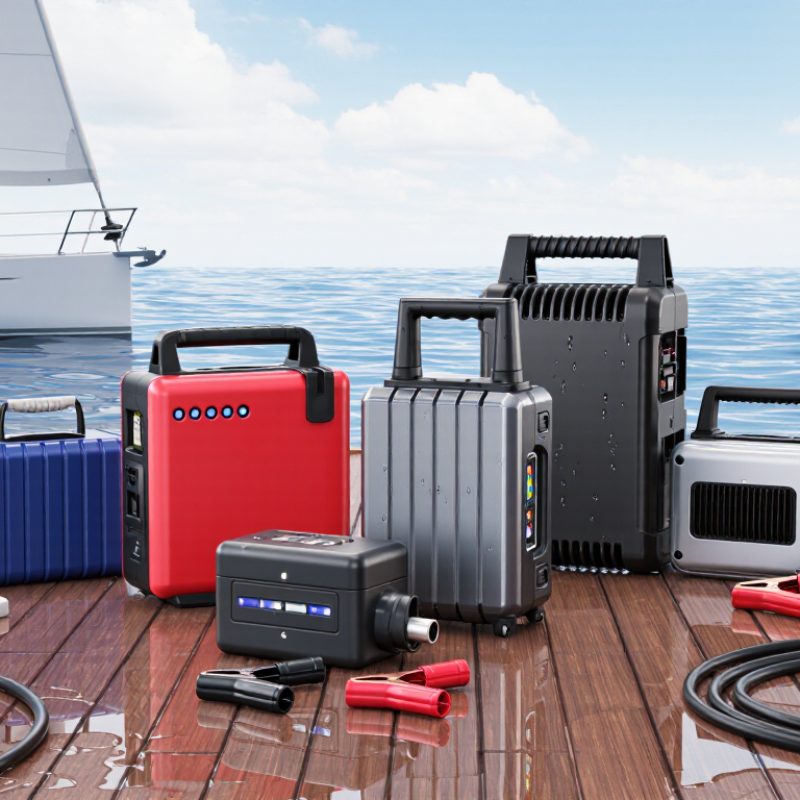
5 Best Marine Battery Chargers Why Specific Types Matter?

What Makes a Marine Battery Charger Different from a Regular Charger

What Makes a Marine Battery Charger Different from a Regular Charger

A marine battery charger works in a harsher environment than a garage charger. Salt air reaches terminals, moisture enters lockers, and engine vibration never fully stops. A marine unit usually has sealed housing, corrosion-resistant connectors, ignition protection, and multi-stage charging. These features reduce sparks, overheating, and battery damage around fuel vapors. Regular chargers may lack these safeguards. That difference matters.

The charger must also match the battery chemistry and onboard electrical system. Flooded lead-acid, AGM, and lithium batteries require different voltage limits and charging profiles. A quality marine charger adjusts current gradually, monitors temperature, and prevents overcharging during long dockside storage. ABYC E-11 guidance addresses marine electrical installation, while ISO 16315 covers electrical systems on small craft. These standards do not make every installation safe automatically. Wiring, fuses, ventilation, and grounding still demand inspection.

The scale of boating adds practical weight. The National Marine Manufacturers Association’s 2023 Recreational Boating Statistical Abstract reported about 11.6 million registered recreational boats in the United States. The U.S. Coast Guard recorded 4,040 recreational boating accidents in 2023, with electrical faults included among reported contributing factors. A charger is not usually the only cause. Still, a loose ring terminal can become hot beneath a damp berth. I have found that installation errors are easier to miss than charger specifications. A marine charger can be safer, but it cannot correct neglected cables or an unsuitable battery bank.

5 Best Marine Battery Chargers: Why Specific Types Matter

Marine battery chargers are designed for different power sources, installation conditions, and charging needs. The chart compares representative output-current ranges commonly used with a 12V, 100Ah marine battery.

Higher-current onboard AC and DC-DC chargers are suited to faster replenishment, while trickle and portable chargers are better for maintenance or occasional charging. Solar chargers depend on available sunlight and panel capacity. Actual ratings vary by battery chemistry, battery size, temperature, and charger design.

How to Choose Charger Type, Voltage, Capacity, and Charging Profile

Choosing among the five best marine battery chargers starts with the battery, not the price. Flooded lead-acid, AGM, gel, and LiFePO4 batteries require different charging behavior. A charger designed for one chemistry may damage another or leave it undercharged. Check the battery label and manual before connecting anything.

Match the charger’s voltage to the system. A 12-volt battery bank usually needs a 12-volt charger, while two batteries in series require a 24-volt model. Capacity matters too. For a 100Ah lead-acid battery, a 10–20 amp charger often provides a practical balance between charging speed and battery life. Lithium batteries can accept higher current, but only when approved by the manufacturer and protected by a suitable management system.

Charging profiles are equally important. A smart charger should adjust through bulk, absorption, and float stages for lead-acid batteries. Lithium batteries normally need a dedicated profile and should not remain on a traditional float setting without confirmation. Choose a marine-rated unit with sealed construction, temperature protection, reverse-polarity protection, and adequate ventilation. Installation quality matters more than many buyers expect. Loose terminals, salt residue, or undersized cables can waste power and create heat. No choice is perfect. Recheck the charger after a full cycle, especially when the battery behaves differently than expected.

Five Marine Battery Charger Types for Different Boating Needs

Choosing the right marine battery charger depends on your boat, battery bank, and time on the water. Five charger types cover most boating needs.

An onboard smart charger suits boats stored near shore power. It monitors battery voltage and adjusts charging automatically. This helps prevent overcharging during long storage periods. A portable AC charger works better for trailer boats or occasional users. It is easy to carry, but its cables must stay dry and properly secured. A solar charger supports remote anchoring and quiet maintenance charging. Output varies with clouds, shade, panel angle, and seasonal sunlight.

An alternator-to-battery charger uses engine power to charge a house battery while cruising. It can improve charging efficiency when the batteries have different requirements. Installation needs careful cable sizing and ventilation checks. A trickle or maintenance charger provides low current for batteries resting between trips. It is useful for smaller systems, but it may be too weak for a heavily discharged battery.

Read the battery manufacturer’s charging profile before choosing any charger. Flooded, AGM, and lithium batteries do not always share the same voltage limits. Corrosion is another concern. Inspect terminals, fuses, and connectors regularly. A charger can be technically powerful yet unsuitable for a damp locker or undersized wiring. That is easy to overlook. My own recommendation would change with every boat: convenience matters, but correct charging stages and protected installation matter more.

How to Match a Charger with Lead-Acid, AGM, Gel, or Lithium Batteries

Choosing among the five best marine battery chargers starts with battery chemistry, not marketing features.

A flooded lead-acid battery usually needs a multi-stage charger with bulk, absorption, and float settings. Temperature compensation is valuable when the battery sits in a hot engine compartment. Check electrolyte levels regularly, because charging cannot correct poor maintenance.

AGM batteries accept higher charging currents, but they still need precise voltage limits. A charger designed for flooded batteries may overcharge an AGM battery during long dockside stays.

Gel batteries require gentler charging and lower voltage control. Disable equalization unless the battery manufacturer specifically allows it.

I once treated AGM and gel batteries as nearly identical. That shortcut was wrong.

Lithium batteries need a lithium-specific charging profile and a compatible battery-management system.

Their voltage behavior differs sharply from lead-acid types, so a charger’s “automatic” mode is not always trustworthy. Confirm the battery’s recommended absorption voltage, maximum current, and float requirements. Some lithium batteries do not need continuous float charging.

A dual-bank onboard charger can serve separate battery groups, but each bank should match its battery type.

For a small fishing boat, a sealed portable charger may be practical. For a cabin cruiser, a permanently mounted, ignition-protected unit with corrosion-resistant connections is usually safer.

Keep terminals dry. Recheck settings after installation.

Marine Charger Safety, Installation, Maintenance, and Performance Checks

5 Best Marine Battery Chargers: Why Specific Types Matter?

Marine battery chargers must match the battery chemistry, capacity, and onboard electrical system. A flooded lead-acid battery may require different charging stages than an AGM or lithium battery. Using the wrong profile can cause overheating, reduced capacity, or premature failure. Safety comes before speed.

Installation deserves equal attention. Disconnect shore power before opening any panel. Mount the charger on a dry, ventilated surface, away from fuel vapors and direct spray. Use correctly sized cables, secure terminals, and a suitable fuse near the battery. Inspect the negative connection carefully. A loose connection can create heat, voltage loss, and confusing performance readings. Follow the charger manual and local marine electrical requirements.

Tips: Check cable temperature during a charging cycle. Warm is common; excessively hot is a warning. Clean salt residue from terminals with an approved method, then protect connections from moisture. Test charging voltage at the battery, not only at the charger. Review indicator lights and alarms after installation. A load test can reveal weak batteries that appear normal at rest. Keep a simple maintenance log with dates, readings, and unusual sounds. Small records help technicians find patterns. Imperfect inspections happen, especially in cramped engine compartments. A second check is worthwhile. Never ignore swelling, leaking electrolyte, damaged insulation, or a burning smell; isolate the system and seek qualified service.

FAQS

How is a marine battery charger different from a regular charger?

It is designed for moisture, salt air, vibration, and confined spaces. Its housing is usually sealed. It may include corrosion-resistant connectors, ignition protection, and multi-stage charging. A regular garage charger may lack these safeguards.

Why must the charger match the battery chemistry?

Flooded, AGM, gel, and lithium batteries need different charging profiles. An unsuitable profile can cause overheating, undercharging, or early battery failure. Check the battery label and manual before connecting the charger. Small details matter.

How do I choose the correct charger voltage?

Match the charger to the battery bank voltage. A 12-volt bank generally needs a 12-volt charger. Two batteries connected in series may require a 24-volt charger. Never guess from appearance alone.

What charging capacity is suitable for a 100Ah battery?

A 10–20 amp charger often balances charging speed and battery life. Lithium batteries may accept more current. Use higher current only when the battery maker approves it. The battery management system must also support that charging rate.

What charging stages should a smart charger provide?

Lead-acid batteries commonly use bulk, absorption, and float stages. Lithium batteries usually need a dedicated profile. Do not use traditional float charging without confirmation. That assumption can be costly.

Where should a marine charger be installed?

Mount it on a dry, ventilated surface away from fuel vapors and direct spray. Use correctly sized cables and a suitable fuse near the battery. Disconnect shore power before opening an electrical panel. A cramped compartment deserves extra care.

How can I check whether the installation is working properly?

Measure charging voltage at the battery, not only at the charger. Check indicator lights and alarms after installation. Feel the cables during charging. Warm cables are common; excessively hot cables signal trouble. Inspect salt residue, loose terminals, and damaged insulation.

What warning signs require immediate attention?

Swelling, leaking electrolyte, burning smells, or damaged insulation need prompt action. Isolate the system and seek qualified service. A load test may reveal a weak battery that looks normal at rest. I would not rely on one reading.

Conclusion

Choosing the right marine battery charger is essential for reliable starting power, onboard electronics, and long battery life. Why do marine batteries need a specific type of charger? Unlike ordinary automotive batteries, marine batteries may operate in damp, corrosive environments and often support different loads, charging demands, and battery chemistries. A suitable charger should match the battery’s voltage, capacity, and required charging profile while providing protection against overcharging, overheating, and electrical imbalance.

This guide presents five marine charger types for different boating needs, including portable, onboard, multi-bank, smart, and solar-assisted options. It explains how to select chargers for lead-acid, AGM, gel, and lithium batteries, since each chemistry requires carefully controlled voltage and charging stages. The article also highlights safe installation, ventilation, cable protection, routine maintenance, and performance checks. By understanding these factors, boat owners can improve charging efficiency, reduce battery wear, and maintain dependable electrical performance on the water.

Liam

Liam

Liam is a dedicated marketing professional with a profound expertise in the industry, where he excels at highlighting the unique advantages of our core products. With a keen understanding of market trends and consumer needs, Liam frequently updates our company’s professional blog, providing......