When considering battery care, the question often arises: "What is the difference between a trickle charger and a maintainer?" Both devices serve essential roles but differ in functionality and usage. According to battery expert John Smith, “A trickle charger simply supplies power to the battery, while a maintainer ensures the battery is kept at peak condition without overcharging.”
Trickle chargers continuously send a low level of charge, which can be useful for batteries not frequently used. However, this method can lead to overcharging if not monitored carefully. On the other hand, maintainers are designed to deliver just enough power to keep batteries at an optimal charge without causing damage. This makes them ideal for long-term battery storage.
Understanding these differences is crucial for effective battery management. Each method has its merits, and the choice depends on individual needs. While some prefer the simplicity of trickle chargers, others value the intelligent nature of maintainers. Weighing the pros and cons is important for optimal battery health.
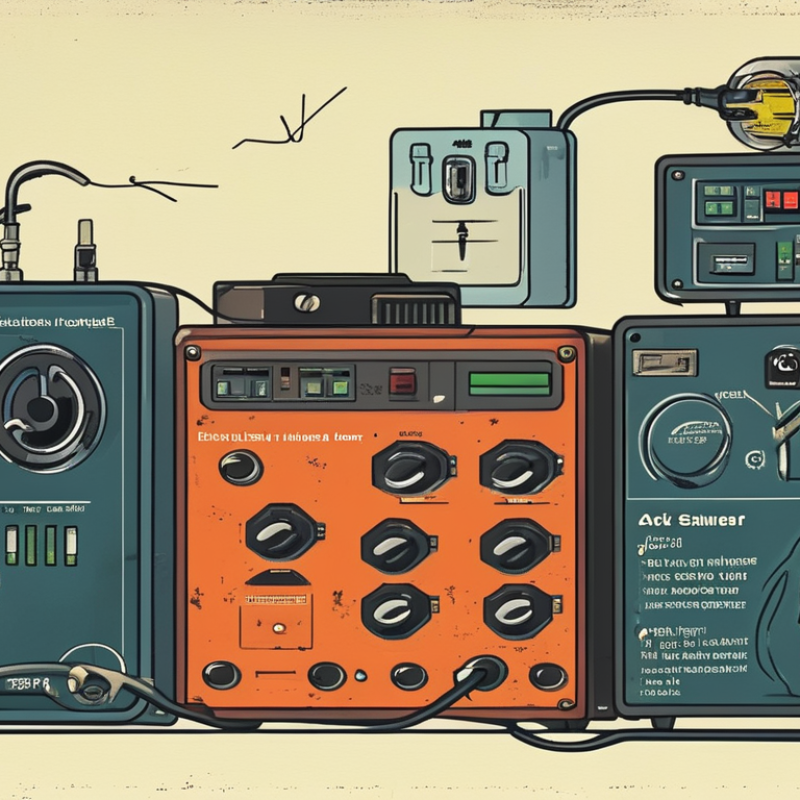
When choosing between a trickle charger and a maintainer, understanding their differences is crucial. Trickle chargers deliver a constant, steady charge to a battery. They do not automatically stop charging, which can lead to overcharging. This can damage your battery if used for long periods. They’re often effective for short-term use, especially when powering vehicles infrequently.
On the other hand, maintainers provide a smart charging process. They monitor battery voltage and adjust the current as needed. This prevents overcharging, making them ideal for long-term use. They're useful for maintaining the health of your battery during storage. You can connect a maintainer for months without worry.
Tips for proper use: always read your owner's manual. Each battery has specific needs. Monitor the connections regularly to ensure a secure fit. Remember, neglect can lead to battery issues. Oversights in maintenance can affect performance. So, choose wisely based on your battery storage and usage patterns.
| Feature | Trickle Charger | Maintainer |
|---|---|---|
| Purpose | Provides a constant charge to the battery. | Maintains battery charge level without overcharging. |
| Output | Typically delivers 2-10A. | Usually delivers 1A or less. |
| Ideal Use Case | For charging batteries that are deeply discharged. | For keeping batteries charged during inactivity. |
| Charging Time | Longer, depending on the battery's state. | Short maintenance cycles; not meant for full charging. |
| Overcharging Risk | Higher risk if left plugged in. | Low risk; designed to prevent overcharging. |
| Battery Compatibility | May not be suitable for all types of batteries. | Compatible with most maintenance-free batteries. |
: A trickle charger provides a steady, low-level charge to keep batteries topped up, especially in infrequently used vehicles.
Yes, if left connected for too long, a trickle charger may overcharge and risk battery damage.
Maintainers monitor battery levels, switching to maintenance mode when full, thus preventing overcharging.
Using a maintainer can extend battery lifespan by up to 50%, according to industry research.
Regular visual inspections can reveal wear or corrosion. Keep connections clean for better performance.
Not typically; they can lead to overcharging. A maintainer is recommended for long-term storage.
Evaluate your charging needs and the specific requirements of your battery and usage environment.
Many confuse trickle chargers with maintainers, not realizing the potential risks of overcharging.
Misunderstandings can lead to unexpected battery failures when a vehicle is needed most.
Making informed choices about chargers prevents common issues and enhances overall battery performance.
When considering battery care, understanding "what is the difference between a trickle charger and a maintainer" is crucial. Trickle chargers provide a continuous low-level current to charge a battery slowly, making them suitable for occasional use. However, they may lead to battery overcharging if left connected for extended periods. In contrast, battery maintainers are designed to keep batteries at an optimal charge without overcharging, making them ideal for long-term battery storage or maintenance.
Key features of trickle chargers include their simplicity and low cost, while maintainers offer advanced smart charging technology that adjusts to the battery's needs. Important factors to consider when choosing between the two include battery type, usage frequency, and the specific charging needs. Additionally, many misconceptions exist around their functions, highlighting the importance of education in making an informed choice.

 Hyper Charger