In the evolving landscape of battery management systems, the Off Board Battery Charger emerges as a pivotal solution. Reports suggest that the global market for off-board chargers is expected to reach $XX billion by 2025, indicating a growing recognition of their benefits. These chargers enhance efficiency and convenience for both personal and commercial use.
Unlike traditional on-board chargers, Off Board Battery Chargers offer faster charging capabilities. They can significantly reduce downtime for electric vehicles and portable devices. A study noted that off-board systems can charge batteries up to 80% in just 30 minutes. This efficiency can drive productivity, particularly in sectors like fleet management.
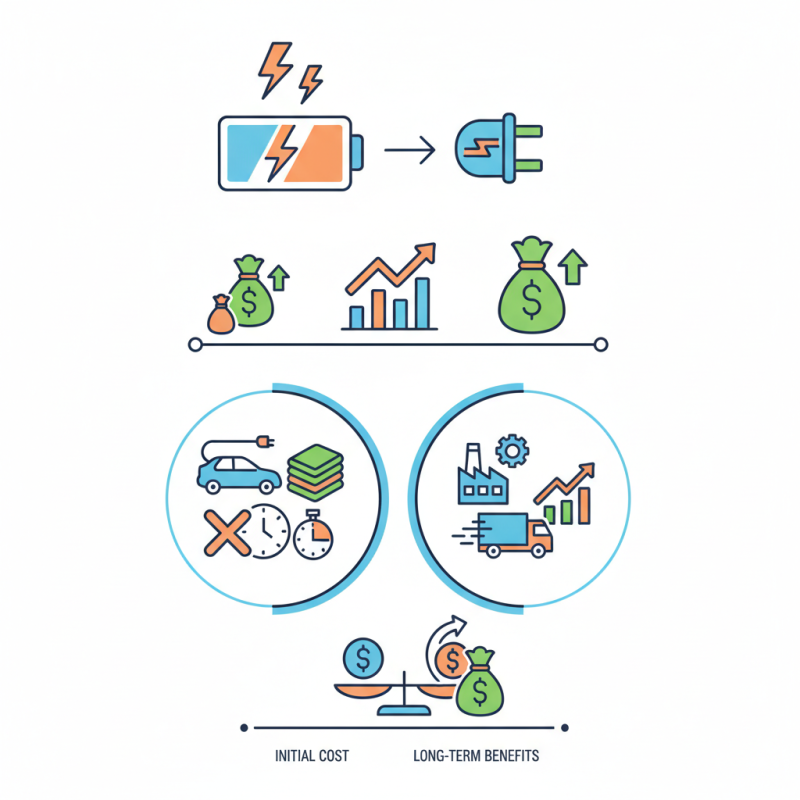
Despite their advantages, some users express concerns over initial costs and installation. It's essential to weigh upfront investment against long-term savings and benefits. While Off Board Battery Chargers might require a more significant initial purchase, the return on investment can be substantial. Understanding these dynamics is crucial for making informed decisions tailored to specific energy needs.
Understanding Off Board Battery Chargers: A Comprehensive Overview
Off board battery chargers represent a vital solution for various applications. These chargers, separate from the devices they power, offer flexibility. Their primary advantage lies in efficient charging without needing to tether devices. This can greatly enhance operation efficiencies in industries such as automotive and renewable energy.
Understanding how off board battery chargers work is crucial. They typically employ advanced technology to optimize charging cycles. This helps extend battery life and reduce wear. Their versatility allows them to support different battery types. However, users should be aware of compatibility issues. Not all off board chargers work with every battery, leading to potential frustrations. It’s beneficial to consult the specifications to ensure compatibility before making a choice.
While the benefits are clear, there are challenges. Off board chargers often lack portability. This can limit their use in field applications, where mobility is essential. Users may also find the upfront cost higher compared to traditional chargers. It’s important to weigh these aspects against the long-term gains. Reflecting on individual needs will help in making informed decisions.
Key Advantages of Off Board Battery Chargers Over Traditional Chargers
Off-board battery chargers are gaining traction in various industries for their distinct advantages. Unlike traditional chargers that are often tied to specific equipment, off-board chargers provide flexibility and efficiency. A study by the International Energy Agency indicates that these chargers can reduce charging time by up to 30%. This faster charging capability allows for improved operational uptime, especially in sectors like logistics and transportation.
Another key advantage lies in their adaptability. Off-board chargers can be used with different battery types, enhancing compatibility across multiple devices. This is crucial, as data from the Battery Council International shows that cross-compatibility can lead to a 40% reduction in equipment costs. However, implementing off-board charging systems may require a shift in infrastructure, which can pose challenges for some operators. The transition process can be complex, requiring thorough planning and evaluation.
In addition, off-board chargers often feature advanced technology that enables diagnostic capabilities. Some models allow users to monitor battery health and charging cycles remotely. This capability can lead to better maintenance practices, maximizing battery lifespan. Yet, it's essential for users to weigh these benefits against potential installation and integration challenges. Reliability decreases if not installed correctly, leading to costly downtime.
Factors to Consider When Choosing an Off Board Battery Charger
When selecting an off board battery charger, several factors come into play. First, the charger’s compatibility with your battery type is crucial. Different batteries, such as lithium-ion or lead-acid, require specific charging parameters. This ensures optimal performance and longevity. Check the voltage rating and current output to prevent overcharging and damage.
Efficiency is another key factor. A high-efficiency charger can save energy and reduce costs over time. Look for chargers with features like built-in thermal management. Such features help maintain a safe operating temperature, extending the charger’s lifespan. Consider the charging speed as well. Fast charging can be beneficial, especially in emergency situations, but prioritize safety over speed.
Lastly, think about the design and portability of the charger. A lightweight option is easier to transport. Some chargers come with built-in protection features, preventing short circuits or overheating. These aspects can offer peace of mind. Pay attention to user reviews and expert recommendations for reliability. Your needs and usage environment will guide your final decision.
Off Board Battery Charger Features Comparison
This bar chart illustrates the importance levels of various factors to consider when choosing an off board battery charger. The features included are Charging Speed, Portability, Cost, Durability, and Compatibility, rated on a scale from 1 to 10.
Common Applications and Use Cases for Off Board Battery Chargers
When considering off board battery chargers, their versatility in various applications is a key benefit. Many industries rely on these chargers for powering electric vehicles, including forklifts and golf carts. The convenience of charging these vehicles off board ensures continuous operation, minimizing downtime. This makes them ideal for warehouses and golf courses where speed is essential.
Off board battery chargers excel in scenarios involving renewable energy systems. They efficiently store energy generated from solar panels. For those looking to make eco-friendly choices, these chargers support sustainable operations. However, users should understand that not all chargers suit every battery type. Some experimentation may be necessary to find the right match. It can be frustrating at times but crucial for optimal performance.
In marine applications, off board chargers allow easy power management for boats. This enhances users' experience on the water by ensuring the battery is ready for use. However, improper use of chargers can lead to issues. Overcharging is a risk that needs monitoring. Educating oneself on best practices is vital to prevent damage. Balancing the advantages with potential drawbacks is part of the learning curve.
Maintenance Tips for Prolonging the Lifespan of Off Board Battery Chargers
Off board battery chargers are essential for maximizing battery performance. Proper maintenance can significantly enhance their lifespan. Regular inspection is key. Check for dust accumulation or loose connections. A study by the Battery University found that regular cleaning can extend battery life by 30%.
Temperature control also plays a vital role. Off board chargers should operate in a cool, dry environment. High temperatures can lead to faster degradation. According to the Electric Power Research Institute, charging batteries at elevated temperatures can reduce their lifespan by up to 50%. It’s crucial to monitor the charging conditions.
Additionally, utilize compatibility features. Many off board chargers come with features that ensure safe charging. Using mismatched chargers can lead to overcharging. This can damage the battery. Regularly reviewing user manuals and guidelines can help keep the charger and battery in optimal condition. Continuous education is essential in this field. Keeping updated with best practices ensures longevity and efficiency.
Why Choose Off Board Battery Charger for Your Needs? - Maintenance Tips for Prolonging the Lifespan of Off Board Battery Chargers
| Feature |
Description |
Benefits |
| Quick Charging |
Chargers designed to minimize downtime. |
Enables efficient workflow and productivity. |
| Safety Features |
Built-in protection against overcharging and short circuits. |
Reduces the risk of battery damage and hazards. |
| Portability |
Compact and lightweight design for easy transport. |
Ideal for both home and industrial use. |
| Compatibility |
Works with various battery types including lithium and lead-acid. |
Versatile option for different applications. |
| User-Friendly Interface |
Simple controls and indicators for easy operation. |
Easier monitoring and management of charging process. |
FAQS
: Off board battery chargers are separate devices that charge batteries independently. They offer flexibility and efficient charging.
The main advantage is their ability to reduce charging time significantly, improving operational efficiency.
No, not all off board chargers are compatible with every battery type. Check specifications for compatibility.
Off board chargers often lack portability, which limits their use in mobile applications. This can be a drawback.
Yes, they can be more expensive initially compared to traditional chargers. Consider long-term benefits before deciding.
Yes, some models offer diagnostic features, allowing users to monitor battery health remotely for better maintenance.
Implementing off board chargers may involve infrastructure adjustments and complex planning, which can be challenging for operators.
Proper installation is crucial. Incorrect setup can lead to reliability issues and costly downtime during operations.
Users should consider their individual needs, the cost, and potential installation challenges before making a decision.
Yes, while they offer many benefits, users need to balance these against the potential drawbacks like portability and initial costs.
Conclusion
Off Board Battery Chargers are becoming increasingly popular due to their numerous advantages over traditional charging methods. These chargers are designed to enhance efficiency and portability, making them suitable for various applications, from electric vehicles to renewable energy systems. Understanding their unique features is crucial for selecting the right model to meet specific needs.
When choosing an Off Board Battery Charger, it's important to consider factors such as compatibility with different battery types, charging speed, and safety features. Additionally, regular maintenance is essential to prolong the lifespan of these chargers, ensuring reliable performance and maximizing the value of your investment. Overall, Off Board Battery Chargers offer a versatile and effective solution for modern charging requirements.

 Hyper Charger