How to Choose the Right Charger for Lead Acid or Lithium Batteries?

Time:2026-07-22 Author:Charlotte
0%

Choosing the right charger for batteries can be challenging. This decision impacts performance and safety significantly. A report by the Battery University highlights that over 30% of battery issues stem from improper charging methods. Understanding "How to choose the right charger for lead-acid vs lithium batteries" is essential for longevity and efficiency.

Lead-acid batteries are often used in traditional applications, like vehicles. They require a specific charging voltage and current to avoid damage. Lithium batteries, in contrast, have different chemistry and charge profiles. The wrong charger can lead to overheating or even battery failure. According to recent industry data, using an unsuitable charger can reduce battery life by up to 50%.

Many users overlook the importance of the charger. This can lead to serious disadvantages later. While charging guidelines seem straightforward, differences in battery types complicate the process. A misstep in selecting chargers can result in significant costs and safety hazards. Therefore, comprehensive knowledge about charging protocols is necessary for optimal battery maintenance.
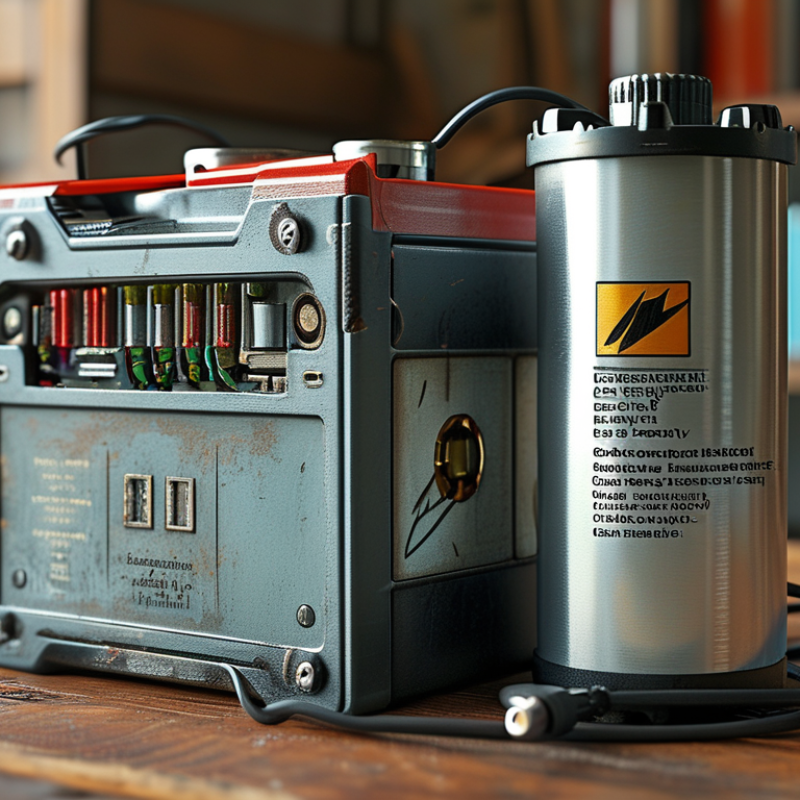
How to Choose the Right Charger for Lead Acid or Lithium Batteries?

Understanding the Differences Between Lead Acid and Lithium Batteries

When choosing between lead acid and lithium batteries, understanding their differences is crucial. Lead acid batteries have been around for over a century. They are heavy and bulky but offer reliable performance. For many applications, they are cost-effective. However, they have a shorter lifespan and lower energy density compared to lithium batteries.

Lithium batteries are lighter and more compact. They charge faster and have a much longer life, often lasting up to ten years or more. This technology is perfect for high-demand applications. However, lithium batteries can be more expensive upfront. Their longevity may counterbalance this cost over time.

Both battery types have unique characteristics. Lead acid batteries may face issues like sulfation, which can affect performance. Lithium batteries need proper management systems to prevent overcharging. Understanding these details is essential for making the right choice. Each option has its merits and limitations. The decision should align with specific needs and use cases.

Key Factors to Consider When Selecting a Charger

Choosing the right charger for lead acid or lithium batteries requires careful consideration of several key factors. First, voltage compatibility is crucial. Ensure that the charger's output voltage matches the battery's voltage. An incompatible voltage can damage the battery or charger. Next, think about the charge rate. A charger with a suitable amp rating will influence the charging speed. Too fast, and the battery may overheat. Too slow, and it may not meet your needs.

Another element to reflect on is battery chemistry. Lead acid and lithium batteries have different charging profiles. Lithium batteries require a specialized charger with a specific cutoff voltage. Ignoring this can lead to battery failure. Additionally, look at safety features. Overcharge protection and thermal regulation are vital for preventing accidents. Check for clear indicators of charge status as well. Disconnecting a charger too early can hinder performance.

Lastly, consider your charging environment. Is it dry and cool? Heat can degrade battery performance over time. The charger must also have sturdy construction. A durable charger withstands wear and tear, ensuring reliability. Investing time in choosing the right charger can enhance battery life and performance.

How to Choose the Right Charger for Lead Acid or Lithium Batteries? - Key Factors to Consider When Selecting a Charger

Battery Type Recommended Voltage Recommended Amperage Charger Type Smart Features
Lead Acid 12V / 24V 0.5A - 10A Trickle Charger Overcharge Protection
Lithium 12V / 36V 1A - 15A Smart Charger Temperature Control
Lead Acid Sealed 12V 1A - 5A Automatic Charger Multi-stage Charging
Lithium Iron Phosphate 12V 2A - 10A Balance Charger Cell Balancing

Charging Requirements and Specifications for Lead Acid Batteries

When dealing with lead acid batteries, it is essential to understand their charging requirements. These batteries often require a specific voltage and current for optimal performance. Typically, a lead acid battery charges at 14.4 to 14.8 volts. This narrow range ensures the battery retains its capacity without overcharging. Regular monitoring is crucial to avoid damaging the cells.

A smart charger may be beneficial for repetitive use. These chargers automatically adjust current and voltage based on the battery's needs. However, not all chargers are suitable for lead acid batteries. Some models might not offer the necessary precision. Users might find themselves overlooking the specifications, leading to potential issues such as sulfation.

Temperature plays a vital role in battery charging. Warmer temperatures can speed up the charging process, while colder climates slow it down. Understanding these nuances can prevent frustration later. Choosing a charger without considering these factors may result in inconsistent performance. It's essential to take the time to match the charger with the battery's specifications for reliable usage.

Charging Requirements and Specifications for Lithium Batteries

When selecting a charger for lithium batteries, understanding the charging requirements is crucial. Lithium batteries need specific voltage and current levels. Overcharging can lead to risks like battery swelling or even fires. This makes the choice of charger critical for safety and efficiency.

Experts recommend identifying the battery type before purchasing a charger. Pay attention to the amp rating. Higher amps can charge faster but may not be suitable for every lithium battery. For optimal maintenance, look for smart chargers that adjust charging levels accordingly.

Tips: Always check the user manual for specifications. Sticking to recommended charging parameters is vital. Regularly monitor the battery temperature during charging. A significant rise in temperature might indicate an issue, which needs immediate attention. Reflect on the performance of your charger every few months. Adjustments may be necessary as your battery ages.

Tips for Ensuring Safe and Efficient Charging Practices

When choosing between chargers for lead-acid and lithium batteries, it’s crucial to prioritize safety and efficiency. According to the Department of Energy, improper charging can significantly shorten battery life. Lead-acid batteries require a slower charge, typically at 0.1C to 0.2C rates. In contrast, lithium batteries often support faster charging, pushing close to 1C. Knowing these differences is essential.

Ensure your charger matches the battery type. Mismatched chargers can lead to overheating or capacity loss. A report from the Battery University indicates that overcharging lithium batteries can cause them to swell or, in severe cases, explode. Monitoring temperature during charging is also vital. Ideal temperatures range from 0°C to 45°C. Allow the battery to cool if it feels excessively hot.

Using smart chargers with built-in safety features can enhance protection. These chargers automatically adjust their output based on battery status. However, even smart chargers may falter. Regularly inspect connections and cables for wear. Damaged cables may cause faulty connections, potentially leading to hazardous situations. Implementing good practices ensures better performance, but situations can still arise that call for vigilance.

Battery Type Comparison: Charging Efficiency

This chart compares the charging efficiency of lead acid and lithium batteries. Lithium batteries show significantly higher efficiency compared to lead acid batteries, making them a more effective option for energy storage and usage.

FAQS

: What should I consider when choosing a charger?

: Check voltage compatibility with your battery to avoid damage.

How does charge rate affect battery performance?

A suitable amp rating influences charging speed; too fast can lead to overheating.

Why is battery chemistry important?

Different batteries like lead acid and lithium have unique charging requirements.

What safety features should I look for?

Ensure chargers have overcharge protection and thermal regulation to prevent accidents.

What happens if I disconnect the charger too early?

It can hinder battery performance and lead to premature aging.

Why is the charging environment significant?

A dry and cool environment helps maintain battery performance.

How do I know if a charger is durable?

Look for sturdy construction that can withstand wear and tear.

What risks come with overcharging lithium batteries?

Overcharging can cause swelling or, in severe cases, result in fires.

What’s the recommended charging temperature range?

Ideal charging temperatures are between 0°C and 45°C; monitor carefully.

Should I regularly check my charger and battery?

Yes, inspect connections and cables for wear; adjustments may be needed over time.

Conclusion

Choosing the right charger for lead-acid vs lithium batteries is essential for optimal battery performance and longevity. The differences between these two types of batteries significantly influence charging requirements. While lead-acid batteries require a charger that can handle their specific voltage and current needs, lithium batteries have distinct specifications and often necessitate smart chargers to avoid overcharging.

When selecting a charger, consider key factors such as voltage compatibility, charge time, and safety features to ensure efficient charging. Each battery type has its unique charging protocols; lead-acid batteries typically require a bulk, absorption, and float phase, while lithium batteries benefit from a constant current and voltage approach. Adhering to these requirements and implementing safe charging practices is crucial to maximize battery life and performance, making understanding "how to choose the right charger for lead-acid vs lithium batteries" vital for users.

Charlotte

Charlotte

Charlotte is a seasoned marketing professional with a deep understanding of the company's portfolio and a passion for elevating its presence in the market. With a keen eye for detail and a commitment to excellence, she ensures that our professional blog is regularly updated with insightful articles......