In the realm of battery technology, overheating chargers are a common concern. A leading expert in electrical engineering, Dr. Emily Carter, emphasizes the urgency of this issue. She states, "When a charger gets excessively hot, it can signal underlying problems that must be addressed." This raises a vital question: "Why is my battery charger getting extremely hot?"
Many factors can contribute to this overheating. Overuse, poor ventilation, or even a damaged cable can trigger elevated temperatures in chargers. Ignoring these signs can lead to further issues, including decreased battery life or potential hazards. It's crucial to recognize that heat is often a warning flag, indicating that something is wrong.
Understanding the causes and solutions to overheating chargers is essential for every device owner. This knowledge empowers you to take control and ensure safety. Addressing the question of why your charger is becoming dangerously hot is not just about convenience; it’s about protecting your devices and yourself.
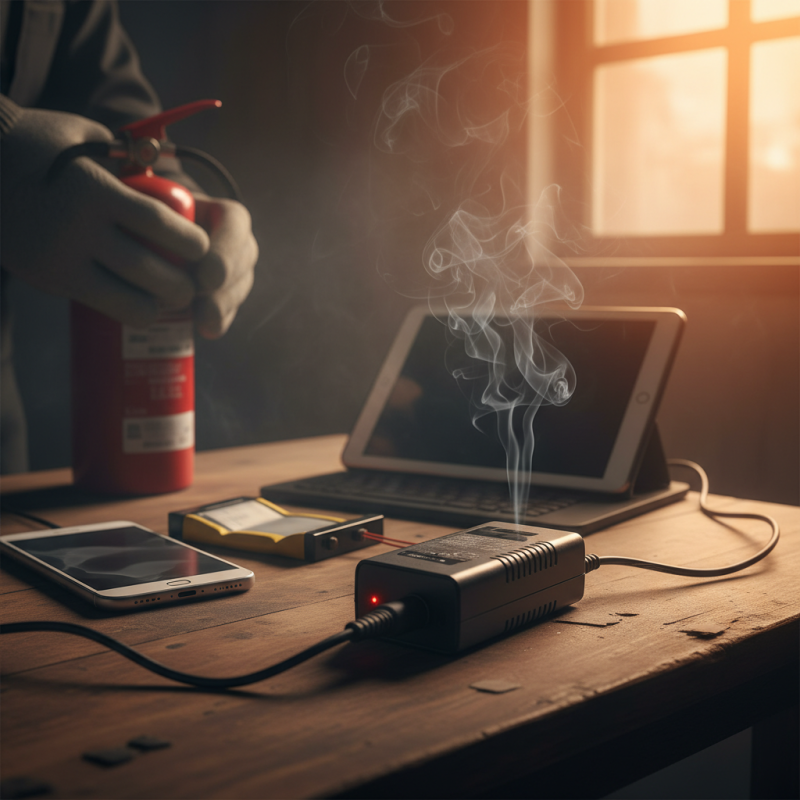
Battery charger overheating can stem from various causes. One common reason is poor ventilation. If your charger doesn’t have sufficient airflow, it can easily become too hot. Dust accumulation can also block ventilation and worsen the issue. Another factor can be an incompatible power source. Using a charger with a voltage not suited for your battery can lead to overheating. Lastly, damaged cables or connectors may increase resistance, resulting in heat buildup.
To prevent overheating, ensure your charger has good airflow. Regularly clean the charger and area around it to eliminate dust. When charging, place the charger in an open space rather than on soft surfaces like beds or couches. This simple adjustment can significantly improve ventilation.
Using the correct charger is critical. Always check specifications before plugging in. Avoid overusing your battery. Allowing it to rest between charges can prevent excessive heat. Lastly, inspect cables for wear. Damaged cables may create a short circuit, leading to overheating. Stay vigilant to maintain battery health and charger performance.
Using battery chargers safely is crucial to avoiding overheating issues. Overheating can lead to performance problems, or even pose fire hazards. Always inspect your charger before use. Look for signs of wear, such as frayed cables or scorch marks. These are indicators that your charger may be unsafe. If you notice any damage, it's best to replace the charger immediately.
When using chargers, it is essential to avoid covering them. A covered charger restricts airflow, increasing the chance of overheating. Set up your charging station in a cool, dry area. This small step can prevent serious overheating problems. Remember to unplug the charger when not in use. While it may seem inconvenient, this practice can extend the life of your charger and enhance safety.
Regular monitoring of charging devices is another good habit. Keep an eye on the temperature of the charger and the battery. If it feels unusually hot, it’s time to take a break. Overheating can sometimes be a sign of a bigger issue. Ignoring these signs could lead to irreversible damage. Staying vigilant ensures your devices function correctly and safely.
Overheating battery chargers can be a serious issue. If you notice an unusual temperature rise, it's essential to address it immediately. The first step is to unplug the charger and allow it to cool down. This is crucial to prevent damage to both the charger and the battery. Find a well-ventilated area, placing the charger on a flat, hard surface. Avoid covering it with anything that might trap heat.
Next, inspect the charger for any visible damage or debris. Dust can accumulate and block vents, leading to overheating. If you find buildup, gently clean it with a soft brush or compressed air. Ensure the power outlet you're using is properly functioning. Sometimes, poor electrical connections can cause chargers to overheat. If the problem persists, it may indicate a more significant issue.
Monitoring your usage habits is vital. Avoid charging devices in hot environments or for extended periods. Frequent overheating may signal that it's time for a replacement. Remember, while it’s easy to ignore these signs, taking action early can save you from more significant headaches later.
Maintaining your battery charger is crucial to prevent overheating. Start by inspecting it regularly for dust accumulation. A buildup can block vents, which leads to poor airflow. Clean it gently with a soft cloth. Ensure the charger is placed on a hard surface. Avoid soft surfaces like beds or couches, which can trap heat.
Check the cables for frays or damage. Damaged cables can cause excess heat. Replace any worn-out parts immediately. Additionally, it's wise to avoid charging devices in hot environments. High external temperatures can exacerbate overheating issues. Keep the charger in a cool, dry place during usage.
Monitor the charger closely while in operation. It should feel warm but not overly hot. If it becomes excessively hot to touch, consider stopping the charge. This could be a sign of internal issues. Always prioritize your safety. Reflect on your charging habits; frequent overheating may point to deeper problems needing attention.
This chart displays the average temperature readings of battery chargers over a week, indicating potential overheating issues. Understanding these temperature trends can help in maintaining your charger effectively.
Overheating issues with battery chargers can be a critical concern. Understanding when to seek professional help is essential for maintaining your devices. According to industry reports, around 20% of battery-related failures come from charger malfunctions. If your charger feels excessively hot or shows signs of damage, it may be time to consult a specialist.
Additionally, pay attention to unusual sounds or smells. These signs could indicate internal damage or malfunction. An overheating charger poses risks, including potential fires. If your charger has a persistent issue after changing outlets or cables, don’t ignore these signs. A timely inspection can prevent further equipment damage and ensure safety.
**Tips:** Regularly clean your charger to prevent dust buildup. Ensure proper ventilation when charging. Avoid using chargers in overly hot environments. If in doubt, prioritize safety. Consult with a professional rather than risking injury or further damage. Recognizing these signs early can save you time and money in the long run. Seeking expert help can offer peace of mind.
| Issue | Description | Possible Solutions | When to Seek Professional Help |
|---|---|---|---|
| Overheating | Charger becomes excessively hot during usage. | Ensure proper ventilation, avoid covering the charger. | If overheating persists, consider replacing the charger. |
| Faulty Plug | Plug feels loose or does not fit snugly in the outlet. | Inspect for damage; try using a different outlet. | If the plug is frayed or damaged, replace it immediately. |
| Inconsistent Charging | Charger does not provide steady power to the device. | Check the cable for bends; change to another charger. | If issues continue, a professional inspection may be needed. |
| Charging Cable Damage | Visible frays or breaks in the cable. | Replace the cable with a new one of matching specifications. | If replacement doesn’t fix the issue, seek professional advice. |
| Overcharging | Battery shows signs of swelling or leakage. | Use auto-shutoff chargers to prevent overcharging. | If battery swelling occurs, cease use and consult a technician. |
: Inspect it for wear like frayed cables or scorch marks. Any signs of damage mean replace it.
Covering a charger restricts airflow and increases overheating risk. Always keep it open for ventilation.
Unplug it immediately. Let it cool down. Persistent heat may indicate a deeper issue needing attention.
Regular inspections are vital. Look for dust buildup and cable damage to maintain safety and function.
No. Soft surfaces can trap heat and lead to overheating. Use a hard surface for charging.
Seek help if the charger feels excessively hot, makes unusual sounds, or shows persistent issues.
Yes. High external temperatures can worsen overheating. Always charge in a cool, dry place.
Unplug it when not in use and clean it regularly. These practices enhance safety and longevity.
Reflect on your charging habits. Frequent overheating may signal hidden problems needing professional help.
Regular monitoring helps catch overheating early. Ignoring it could lead to irreversible damage or safety risks.
Overheating issues with battery chargers can be concerning, leading many to wonder, "Why is my battery charger getting extremely hot?" Several factors can contribute to this problem, including poor ventilation, overcharging, or using the charger with incompatible batteries. It's essential to recognize the signs of overheating and take safety precautions, such as avoiding the use of damaged chargers and ensuring they are placed in well-ventilated areas.
To cool down an overheating charger, one should immediately disconnect it from power and allow it to cool before further use. Regular maintenance, including inspecting cords and connectors for wear, can help prevent overheating. If the problem persists, seeking professional help is advisable to ensure safe usage and proper handling of the charger.

Hyper Charger