The question, "Can I use a lead-acid charger on a lithium battery?" is increasingly relevant as more consumers switch to lithium technology. Industry experts warn against this practice due to fundamental differences in the chemistry and charging requirements of these battery types. For instance, a report from the International Energy Agency highlights that lithium batteries can offer significantly longer cycles compared to lead-acid batteries, often exceeding 2000 cycles.
Dr. Emily Carter, a leading battery technology researcher, emphasizes the importance of using the correct charger: “Using a lead-acid charger on a lithium battery can lead to reduced performance and lifespan.” This highlights the need for precision in charging methods. Lithium batteries require specific charge voltages and profiles to operate efficiently.
As the market for lithium batteries grows, understanding the implications of this question becomes crucial for users. Mismatched charging can cause safety hazards and diminish battery efficiency. It is essential to stay informed about battery technology specifics to avoid costly mistakes. The decision to use the correct charger directly impacts performance and longevity.
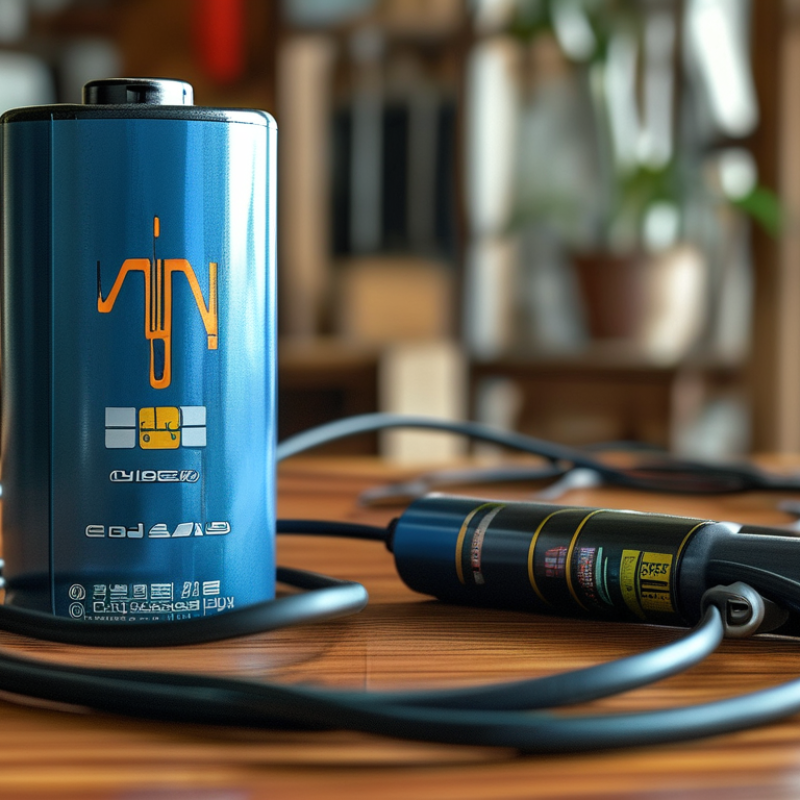
Understanding the differences between lead acid and lithium batteries is crucial for effective usage. Lead acid batteries are well-known for their reliability and cost-effectiveness. They work well in many applications, such as backup power and automotive use. However, they are heavy and have lower energy density compared to lithium batteries.
Lithium batteries, on the other hand, are lighter and offer higher energy density. They recharge faster and last longer, making them ideal for portable electronics and electric vehicles. Their chemistry allows for deeper discharges without damage. Yet, they require specific chargers that match their unique charging profile. Using a lead acid charger on a lithium battery can lead to performance issues or even damage.
It's essential to understand the characteristics of each battery type. For instance, lead acid batteries typically have a higher tolerance for overcharging. In contrast, lithium batteries can be sensitive to voltage levels. This discrepancy poses a risk if the wrong charger is used. The consequences of mixing technologies can be significant. Always prioritize using the correct charger designed for your battery type to ensure safety and performance.
When it comes to battery charging, the differences between lead acid and lithium chargers are significant. Lead acid batteries charge differently. They require a constant voltage and have a specific charging curve. Often, they can overcharge if not monitored closely. This leads to damage and a reduced lifespan. Charging them too quickly can also cause issues.
Lithium batteries, on the other hand, need a different approach. They benefit from a constant current charging method. Additionally, smart chargers monitor voltage levels and adjust charging speed accordingly. This helps prevent issues like overheating. Lithium batteries often have built-in protection systems, but using the wrong charger can still lead to complications.
Many individuals assume they can interchange chargers, but this is risky. It may seem convenient, yet it could harm the battery’s performance. A lead acid charger can send voltage spikes not suitable for lithium chemistry. Reflecting on these differences is vital for anyone managing battery systems. Understanding the right charger for each battery type can ensure longevity and reliability.
Using a lead acid charger on lithium batteries can be risky. Lithium batteries require specific charging parameters that differ from lead acid technology. A lead acid charger may not provide the right voltage levels, leading to overheating or even damaging the battery.
When charging, the voltage and current control are crucial. Lead acid chargers typically use a constant voltage method that can be harmful to lithium cells. This mismatch often results in poor performance and a shortened lifespan. Users have reported issues like swelling and leaking, which indicate failure.
Moreover, the features for multi-stage charging in lead acid models may not match lithium needs. This can cause undercharging or overcharging, both of which are detrimental. Understanding these differences is essential for proper battery care. Ignoring them could lead to safety hazards and expensive replacements. Choosing the right charger is just as important as selecting the right battery.
| Aspect | Lead Acid Charger | Lithium Battery | Risks of Using Lead Acid Charger |
|---|---|---|---|
| Voltage Output | Typically 12V or 24V | Typically 3.7V per cell | Overvoltage can damage cells |
| Charging Profile | Constant voltage and current | Requires CC-CV (constant current - constant voltage) method | Inadequate charging can lead to incomplete charge |
| Temperature Sensitivity | Less sensitive | Sensitive to high temperatures | Risk of thermal runaway |
| Cycle Life | Lower cycle life (300-500 cycles) | Higher cycle life (2000-5000 cycles) | Premature battery failure |
| Cost | Generally lower cost | Typically higher cost | Potential for high replacement costs |
Charging lithium batteries requires careful attention to specific practices. Unlike lead-acid batteries, lithium batteries have unique charging needs. They operate best with a dedicated lithium charger that follows the correct voltage and current specifications. Using a lead-acid charger can lead to overheating or even battery damage.
When charging lithium batteries, it’s crucial to monitor the temperature. If the battery gets too hot during the charging process, it’s a sign of a potential problem. Always charge in a well-ventilated area. This prevents heat buildup and allows gases to disperse.
Regularly check the battery’s state of charge. Lithium batteries should not be fully discharged. Keeping them within a safe charge range extends their lifespan. If there’s ever doubt about the charging process, refer to the battery’s specifications. Taking these steps ensures safe and effective charging, avoiding pitfalls that could lead to battery failure.
When it comes to chargers for lithium batteries, traditional lead acid chargers fall short. These chargers are designed for different chemistry. Lithium batteries require a specific charging profile. Using a lead acid charger can lead to overcharging, reducing the battery's lifespan.
Consider alternatives like lithium-specific chargers. They adjust voltage and current to match lithium battery needs. Smart chargers are another option. They can communicate with the battery to optimize charging. This means your battery charges safely and efficiently.
However, remember that not all chargers are created equal. Some may not meet safety standards. Always check specifications before purchasing. Using the right charger is essential for performance and longevity. A mismatch can lead to frustrating problems down the road.
: Lead acid batteries are heavier and cheaper, while lithium batteries are lighter and have higher energy density.
Lithium batteries require specific chargers for safety. Using incorrect chargers can cause overheating and damage.
Lead acid batteries need constant voltage, while lithium batteries benefit from a constant current charging approach.
No, it can lead to performance issues or even battery damage due to unsuitable voltage levels.
Monitor the temperature and charge in a ventilated area to prevent overheating and gas build-up.
Avoid fully discharging them. Keeping within a safe charge range helps extend their lifespan.
It indicates a potential problem, and immediate action should be taken to prevent further issues.
Yes, many lithium batteries have built-in protections, but correct charging is still vital for safety.
Interchanging chargers may seem convenient, but it risks damaging battery performance significantly.
Understanding the right techniques prevents mistakes that could lead to battery failure and wasted resources.
The question "Can I use a lead-acid charger on a lithium battery?" is a crucial one for anyone looking to charge lithium batteries effectively and safely. Lead-acid and lithium batteries have different charging requirements due to their distinct chemical compositions and behaviors. Using a lead-acid charger on a lithium battery can lead to severe risks, including battery damage, reduced lifespan, and safety hazards such as overheating.
To charge lithium batteries safely, it's important to use dedicated lithium chargers designed to manage the specific needs of these batteries. Best practices for charging include monitoring the voltage and ensuring a compatible charging profile. For those seeking alternatives, investing in a quality lithium charger or using smart charging technology is advisable. Overall, understanding the differences between battery types and their chargers is key to maintaining battery health and performance.

Hyper Charger