When dealing with lithium batteries, it's common to encounter the question, "Why does my lithium battery shut off during charging?" This issue can be frustrating for many users. Dr. Emily Carter, a renowned battery technology expert, emphasizes, "Understanding battery behavior is crucial for optimal performance."
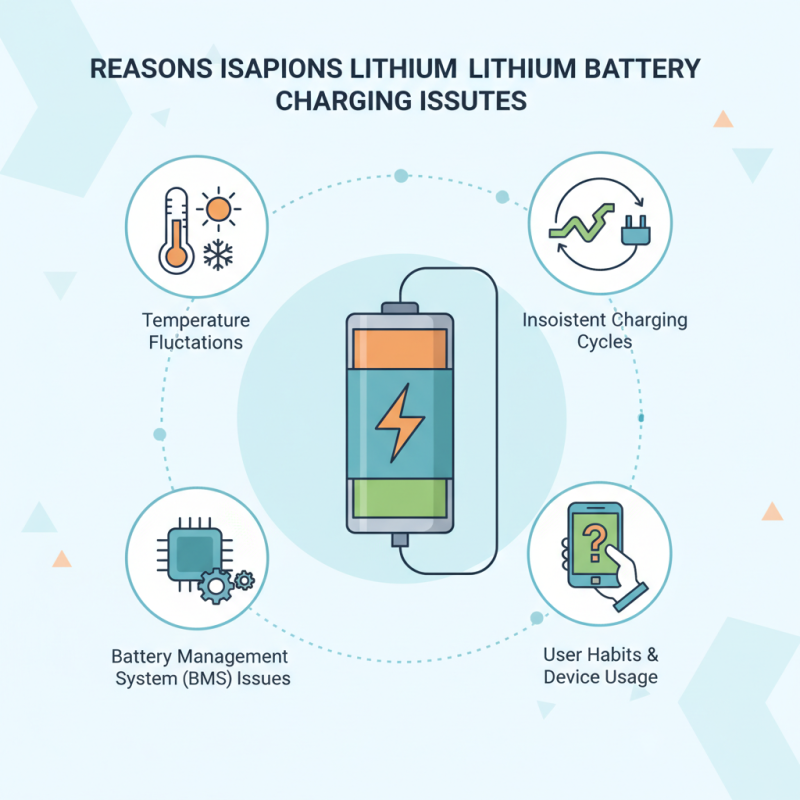
Lithium batteries are sensitive to various factors. Temperature fluctuations, for instance, can cause them to shut down unexpectedly. Inconsistent charging cycles also contribute to performance issues. Many users often overlook these aspects. Battery management systems play a significant role in maintaining safety and efficiency. Yet, they are not infallible.
Occasionally, you may find your device powered off mid-charge, leaving you puzzled. Exploring this topic reveals a deeper understanding of both user habits and technology. Further insights may help prevent future problems, but reflection on how we use our devices is essential.
Common Reasons for Lithium Battery Shutdown During Charging
When dealing with lithium batteries, sudden shutdowns during charging can be frustrating. One common reason is overheating. Lithium batteries can reach high temperatures, particularly if they are charged in direct sunlight or in poorly ventilated spaces. This overheating can trigger an internal safety mechanism, cutting off the power supply to prevent damage.
Another issue can be related to the battery management system (BMS). The BMS monitors various functions, such as voltage and current levels. If the system detects an anomaly, it may shut off the battery to protect itself and connected devices. Poor connections or damaged cables can also lead to charging failures. A loose connection can interrupt the flow of electricity, causing the battery to stop charging altogether.
Sometimes, simple user errors can lead to shutdowns. For instance, charging the battery with an incompatible charger can disrupt the charging process. Always ensure your charger meets the required specifications for your battery. These reasons highlight the importance of proper care and monitoring. Understanding these factors can make battery management more effective. It might take some experimentation to find a solution.
Understanding the Charging Cycle of Lithium Batteries
Lithium batteries operate through a specific charging cycle that influences their performance. When charging begins, the battery enters a phase known as constant current. During this phase, the voltage continuously rises until it reaches a predetermined threshold. If the voltage rises too quickly, the battery may shut off as a safety measure. This can confuse users, as they may question the battery’s reliability.
When examining the charging cycle, it’s essential to consider temperature. Higher temperatures can affect the electrolyte within the battery. This can lead to overheating, resulting in the battery cutting off to prevent damage. Additionally, charging a battery too fast can cause the battery management system to activate safety features. This prevents potential hazards but may disrupt your charging experience.
It is crucial to understand that not all charging issues indicate a faulty battery. External factors often play a role. Regular monitoring of charging habits can reveal patterns. Are you using the right charger? Are you keeping the battery at optimal temperatures? Reflecting on these aspects may unveil simple yet effective solutions to battery shutdowns during charging.
Impact of Temperature on Lithium Battery Performance
Temperature plays a crucial role in lithium battery performance. High heat can cause significant issues during charging. If the battery gets too warm, it may shut off to protect itself. This is a built-in safety feature. When batteries operate outside their recommended temperature range, the risk of failure increases.
Cold environments pose challenges too. Low temperatures can reduce battery capacity. Charging a cold battery can also lead to inefficient performance. In extreme cold, the battery might not charge at all. Users often overlook these factors, leading to frustration when devices fail to charge.
Storing lithium batteries in a temperature-controlled environment helps. Aim for moderate temperatures to prolong battery life. Regularly monitoring the battery's condition is essential. Any signs of swelling or unusual behavior should prompt immediate attention. Ignoring these details might result in deeper issues.
Signs of a Failing Lithium Battery
When your lithium battery begins to show signs of failure, it can lead to frustrating charging issues. One common sign is overheating. If your device feels unusually hot during charging, this could signal a problem. This heat indicates that the battery is struggling to maintain its charge cycle. Watch for unusual odors or even swelling. These symptoms can point to serious internal damage.
Another indicator of a failing lithium battery is inconsistent charging. If your battery frequently shuts off even when plugged in, it may be time for an evaluation. You might notice that the charge percentage fluctuates unexpectedly. This inconsistency can make it hard to rely on your device. The battery's lifespan could be nearing its end, affecting performance significantly.
Regularly check for these signs. Addressing issues early can prevent a complete failure. Experiment with different chargers or cables. However, if problems persist, seeking professional help is crucial. Ignoring these signals can lead to more severe complications down the road. Understand your battery and stay proactive in maintenance. Balancing convenience and caution can enhance your device’s longevity.
Best Practices for Charging Lithium Batteries Safely
When charging lithium batteries, safety is paramount. The right practices can prevent overheating and battery damage. Start by using a high-quality charger designed for lithium batteries. Avoid using generic chargers. They may not regulate current properly. This can lead to unsafe charging conditions.
Monitor the charging environment closely. Extreme temperatures can impact battery health. Ideally, charge batteries in a cool, dry place. If the battery gets too hot, disconnect it immediately. Do not ignore warning signs. If your battery swells or emits odors, stop using it. These could indicate a serious issue.
Regularly check the battery’s health. Older batteries may have reduced capacity and require more attention. Be cautious if your battery shuts off unexpectedly. Reflect on your charging habits. Are you doing enough to ensure safety? Remember, a little care can extend your battery's life significantly.
FAQS
: Overheating is a common cause. This often happens in direct sunlight or poorly ventilated areas.
The BMS monitors voltage and current levels. It can shut off the battery if it detects any anomalies.
Poor connections or damaged cables can disrupt the flow of electricity, causing charging failures.
Yes, using an incompatible charger can interrupt the charging process. Always use the right charger type.
Extreme temperatures affect battery health. It's best to charge batteries in a cool, dry space.
Disconnect it immediately. Don’t ignore any warning signs like swelling or unusual odors.
Regularly check older batteries as they may have reduced capacity and need more attention.
Use a high-quality charger made for lithium batteries. Avoid generic chargers to prevent unsafe conditions.
Reflect on your charging habits. A little care goes a long way in prolonging battery lifespan.
Consider whether you are doing enough to monitor temperatures and connections during charging.
Conclusion
Lithium batteries are known for their efficiency, but users often encounter the frustrating question: "Why does my lithium battery shut off during charging?" This can happen due to several common reasons, including issues with the charging cycle, which can lead to premature shutdowns. Understanding that lithium batteries have specific charging parameters and recognizing the signs of a failing battery are crucial steps in maintaining battery health.
Moreover, temperature plays a significant role in lithium battery performance; extreme heat or cold can adversely affect charging and lead to shutoffs. To ensure safe and effective charging, it is essential to follow best practices, such as using appropriate chargers and maintaining optimal temperature ranges. By being aware of these factors, users can minimize interruptions and prolong the life of their lithium batteries.

 Hyper Charger