How to Properly Store Lithium Batteries in Winter Months?

Time:2026-06-01 Author:Madeline
0%

When it comes to lithium batteries, proper storage during the winter months is crucial. Understanding how to store lithium batteries during winter months can prevent damage and extend their lifespan. Cold temperatures can adversely affect battery performance. Improper storage might lead to reduced capacity and even failure.

Many people overlook the importance of temperature. Lithium batteries need a stable, moderate environment. Storing them in extreme cold can lead to internal issues. It's essential to keep them away from freezing temperatures. Furthermore, batteries should be kept at about 40% charge. This level helps maintain their chemistry. Keeping them in a dry place is equally important. Moisture can corrode connections.

Reflecting on past experiences, many users have faced setbacks due to negligence in storage. Some may have thought batteries were safe in the garage. However, this often leads to unexpected problems. Reliable methods exist, yet some continue to store batteries improperly. Adhering to guidelines ensures functionality when needed. Understanding how to store lithium batteries during winter months is not just a precaution; it is necessary for longevity.
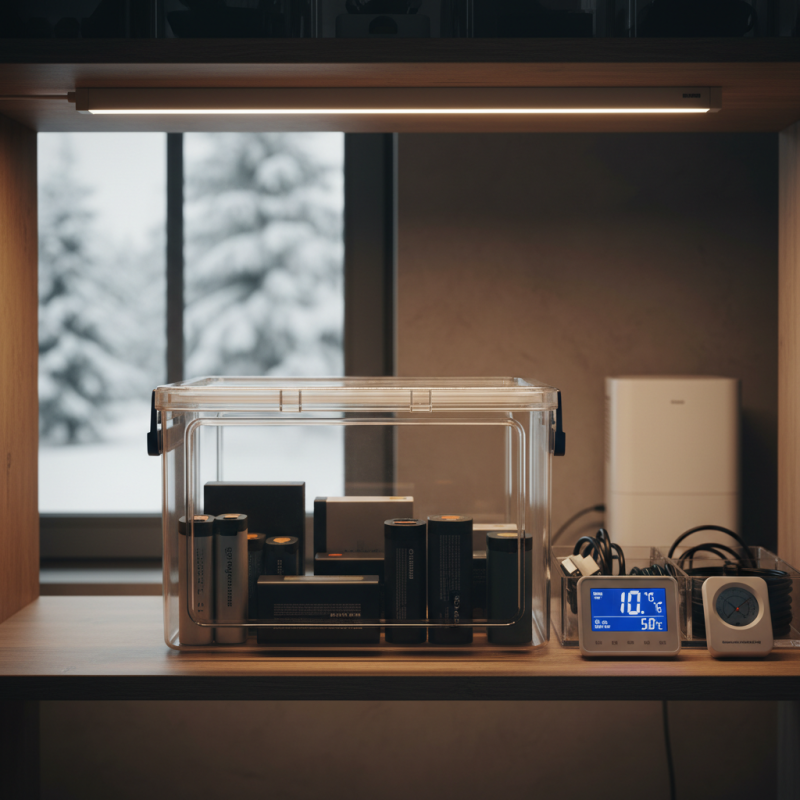
How to Properly Store Lithium Batteries in Winter Months?

Understanding Lithium Battery Chemistry in Cold Weather

Understanding lithium battery chemistry in cold weather is crucial for effective storage. Lithium-ion batteries are sensitive to temperature changes. In extreme cold, the battery's internal resistance increases. This can reduce performance and lifespan significantly. Proper storage can mitigate these effects.

During winter months, keep batteries in a cool, dry place. Avoid exposing them to freezing temperatures. Ideally, aim for a storage temperature around 15°C (59°F). Cold climates can cause lithium batteries to lose capacity. You may think they're dead, but a gradual warming can sometimes restore functionality.

It's also vital to store batteries at an optimal charge level. Keeping them partially charged—around 40-60%—prevents stress on the cells. Fully charging or depleting them can lead to irreversible damage. Monitor battery health regularly, checking for any signs of swelling or damage. Observing these details can help extend battery life in cold conditions.

The Importance of Temperature Control for Lithium Batteries

When it comes to storing lithium batteries during winter, temperature control plays a crucial role. Lithium batteries perform poorly in extreme cold. Low temperatures can lead to reduced capacity and slower charging. Consequently, knowing the ideal storage conditions is vital for maintaining their longevity.

Aim to keep the batteries at a temperature above freezing. Ideally, store them in a cool, dry place, away from any heat sources. Check the storage environment periodically to ensure it remains stable. Be aware that fluctuations in temperature can cause condensation, which may damage the batteries.

Even with the best intentions, many overlook these simple tips. It’s easy to toss batteries in a garage during winter. This seems convenient but can lead to irreversible damage. A little effort can go a long way in extending battery life. Consider using insulated storage boxes if you live in particularly cold areas. Keeping batteries safe requires vigilance and attention to detail.

Best Practices for Storing Lithium Batteries During Winter

Winter can be harsh on lithium batteries. Proper storage is crucial for their longevity. Ideally, keep them in a cool, dry place. Temperatures between 32°F and 68°F (0°C to 20°C) work well. Extreme cold can reduce battery life, while extreme heat can cause damage.

Before storing, charge the batteries to about 50%. This helps maintain their health. Avoid fully charging or depleting them before storage. Check the batteries periodically for any signs of damage or leakage.

Use a protective case if possible. This shields them from moisture and physical damage. Remember to keep them away from metal objects, as they can create short circuits. Regularly inspect the storage area for dampness, as humidity can be harmful.

Signs of Battery Damage from Improper Storage

Winter poses significant challenges for lithium battery storage. Cold temperatures can lead to performance issues and potential damage. One critical sign of battery damage is capacity loss. Research indicates that storage at sub-zero temperatures results in a 20% decrease in capacity. This can happen even after a brief exposure to frigid conditions.

Another concerning sign is swelling. If a battery appears bulged or misshapen, it indicates internal damage. Industry reports highlight that swelling often occurs due to electrolyte degradation, a process exacerbated by poor storage practices. According to data from the Battery University, improper storage can reduce battery lifespan by up to 50%. Users should regularly check batteries for visual signs of damage.

Low voltage can also signal trouble. When lithium batteries are stored below freezing, they may not charge effectively. A battery showing consistent low voltage even after charging might be suffering from internal issues. It’s essential to understand these signs to prevent potential hazards. Proper winter storage includes maintaining a temperature between 32°F and 68°F. Keeping batteries away from moisture and ensuring they are adequately charged can help mitigate risk.

Battery Performance in Different Winter Storage Conditions

This chart illustrates the decrease in lithium battery capacity at various cold temperatures. As the temperature drops, the battery capacity decreases significantly, highlighting the importance of proper storage during winter months to prevent damage.

Tips for Safely Handling Lithium Batteries in Low Temperatures

When cold weather sets in, lithium batteries can be negatively affected. It's vital to handle them carefully in low temperatures. Cold conditions can reduce battery performance and lifespan. Short trips outside can drain power faster than normal. Consider keeping the batteries warm in a pocket or insulated bag when outdoors. This simple action can protect battery life.

Always store lithium batteries in a dry, cool place. Avoid leaving them in cold cars or unheated sheds. The optimal storage temperature is usually between 15°C and 25°C. Excessively cold conditions can lead to internal damage. Pay attention to any signs of swelling or leaks during storage. If you notice any, dispose of the battery properly.

Remember to charge batteries in a safe environment. Extreme cold can cause charging issues. Connecting a cold battery to a charger might lead to malfunctions. It's wise to let the battery warm up to room temperature before charging. This ensures efficiency and safety. Keeping track of your battery's condition is essential for longevity.

FAQS

: How should I store lithium batteries during winter?

: Keep them in a cool, dry place. Optimal temperatures are between 32°F and 68°F.

What is the recommended charge level before storing lithium batteries?

Charge them to about 50%. This helps maintain their health during storage.

What signs indicate battery damage from improper storage?

Look for capacity loss, swelling, or low voltage. These are critical indicators of damage.

How does cold temperature affect battery performance?

Cold conditions can reduce performance and lifespan. Short outdoor trips can drain power quickly.

Should I keep lithium batteries in my car during winter?

No, avoid leaving them in cold cars. This can lead to internal damage and performance issues.

How can I safely charge batteries in cold temperatures?

Let the battery warm to room temperature before charging. This prevents malfunctions and enhances efficiency.

What should I do if I notice a swollen battery?

Dispose of it properly. Swelling indicates internal damage and can be hazardous.

How often should I check on stored lithium batteries?

Regularly inspect for damage or leakage. Early detection can prevent hazards and extend lifespan.

What happens if I store batteries below freezing?

You may experience up to a 20% decrease in capacity and potential internal issues.

Why is it important to monitor humidity where batteries are stored?

Moisture can be harmful. Regularly check for dampness to protect battery health.

Conclusion

When considering how to store lithium batteries during winter months, it's crucial to understand their chemistry and the effects of cold temperatures. Lithium batteries can experience capacity loss and damage if not stored properly, emphasizing the importance of temperature control. To ensure optimal performance, batteries should be kept in a cool, dry place, ideally at a temperature above freezing.

Best practices include charging batteries to about 50% before storage and checking for any signs of damage, such as swelling or corrosion, which can indicate improper storage conditions. Moreover, handling batteries with care in low temperatures is essential. Always warm up batteries to room temperature before use to prevent performance issues. By following these guidelines, you can help prolong the lifespan and efficiency of your lithium batteries throughout the winter months.

Madeline

Madeline

Madeline is a dedicated marketing professional with a wealth of expertise in our company's core offerings. With a keen understanding of the industry, she brings a unique perspective to her role, consistently delivering high-quality content that highlights the superior aspects of our products. As......