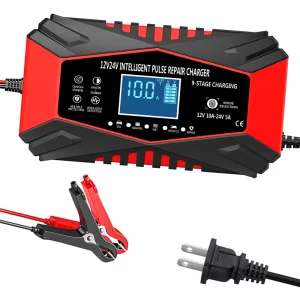
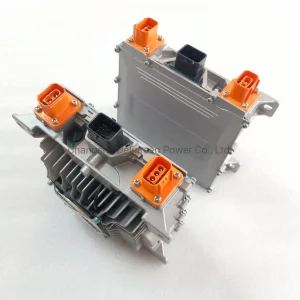
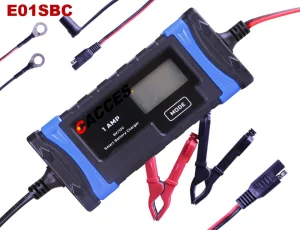
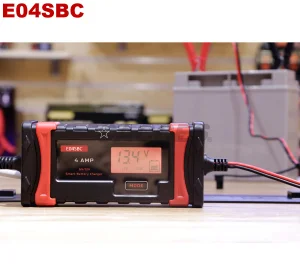
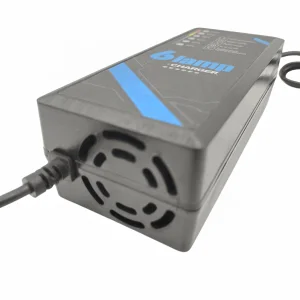
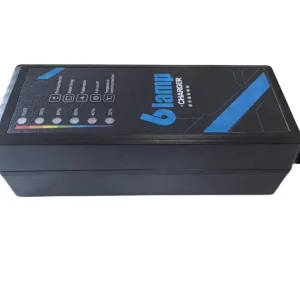
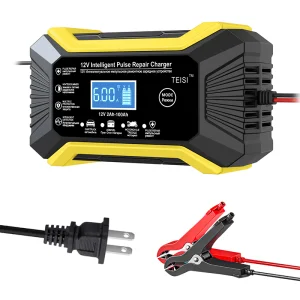
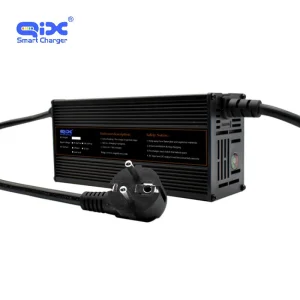
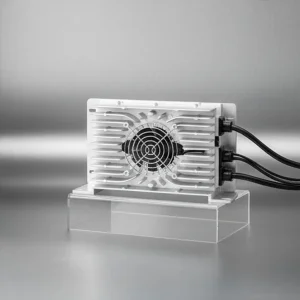
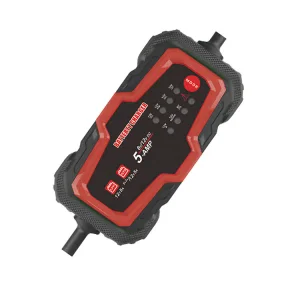
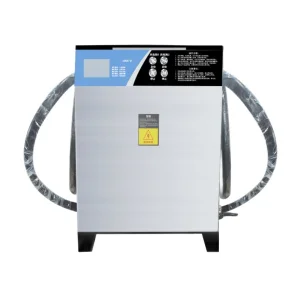
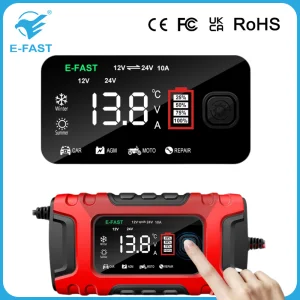
The global transition toward electrification has placed the CAN Bus (Controller Area Network) battery charger at the heart of modern industrial and commercial energy management. Originally developed for automotive in-vehicle communication, CAN Bus technology has evolved into a mandatory standard for high-performance battery systems, especially those utilizing Lithium-ion and LiFePO4 chemistries. Today, CAN Bus chargers are no longer just "power bricks"; they are sophisticated communication nodes that interact in real-time with the Battery Management System (BMS).
In the current industrial landscape, the demand for precision, safety, and data logging is driving the adoption of CAN 2.0B and SAE J1939 protocols across Europe, North America, and Southeast Asia. As a premier China CAN Bus battery charger factory, we see an increasing shift from traditional analog chargers to digitalized solutions that allow fleet managers and equipment operators to monitor battery health, state of charge (SoC), and temperature remotely.
The global industrial battery charger market is projected to grow significantly, with a CAGR of over 6.5%, driven by the automation of warehouses and the rise of electric mobility.
Modern chargers now integrate with IoT clouds via CAN-to-WiFi or CAN-to-4G gateways, enabling predictive maintenance and energy consumption analysis.
CAN Bus protocols prevent overcharging and thermal runaway by allowing the battery to "command" the charger's output parameters dynamically.
As technology progresses, several key trends are defining the future of the battery charger industry. As a leading CAN Bus battery charger manufacturer, we are at the forefront of these innovations:
Procurement officers from international enterprises—ranging from AGV (Automated Guided Vehicle) manufacturers in Germany to Golf Cart distributors in Florida—are increasingly looking for China CAN Bus battery charger factories that offer a balance of technical expertise and manufacturing scale. The localized needs are diverse:
In busy logistics centers in the UK or Japan, chargers must withstand 24/7 operations and communicate with fleet management software to optimize charging schedules.
In the Australian outback or the Mediterranean sea, reliability is paramount. Chargers must handle fluctuating input voltages and resist corrosion while maintaining Lithium house batteries via CAN communication.
Off-grid systems in Africa or remote areas of Canada rely on CAN Bus chargers to integrate with solar inverters and maintain optimal battery life cycles.
Choosing the right China CAN Bus battery charger factory is critical for your product's success. Our factory offers unique advantages that set us apart in the global market:
1. Unparalleled Customization (OEM/ODM): We don't just sell off-the-shelf products. We provide deep customization for CAN Bus protocols, enclosure designs, and charging profiles to match your specific battery chemistry and communication requirements.
2. Supply Chain Excellence: Located in the heart of China's electronic manufacturing hub, we have immediate access to high-quality components, ensuring shorter lead times and competitive pricing even for high-spec industrial orders.
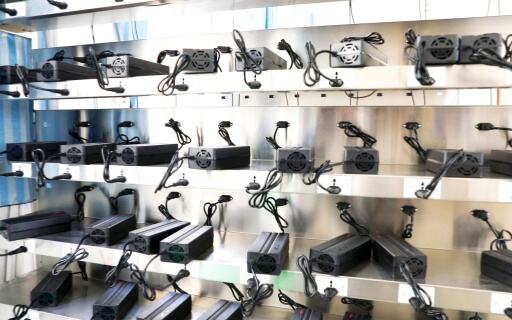
3. Rigorous Quality Control: Every unit undergoes a multi-stage inspection process, including visual checks, functional testing, and a mandatory full-load aging test to ensure zero-defect delivery.
Guangdong Hyper Charger Co., Ltd. is a professional manufacturer specializing in the research, development, and production of battery chargers. With nearly 15 years of industry experience, we have established a strong reputation for delivering reliable, efficient, and innovative charging solutions to customers worldwide.
Our company operates a modern production facility covering more than 20,000 square meters, supported by an experienced R&D team and a skilled technical workforce. We offer a diverse portfolio of over 1,000 charger models, designed to meet a wide range of applications.
We provide comprehensive charging solutions for both lead-acid batteries and lithium batteries. Our products are widely used in automotive, motorcycles, recreational vehicles (RVs), golf carts, forklifts, cleaning equipment, agricultural machinery, and various industrial tools.
At Guangdong Hyper Charger Co., Ltd., quality is at the core of everything we do. We implement strict production processes along with a comprehensive quality control system. Each product undergoes three rigorous inspection procedures during manufacturing, and every batch is subjected to aging tests before shipment. This ensures long-term stability, safety, and consistent performance, guaranteeing that all delivered products meet high-quality standards.
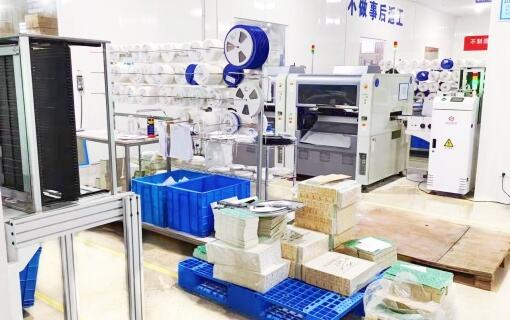
Our production process is highly standardized and automated. From PCB soldering to final assembly, all stages are completed using advanced high-precision equipment and premium electronic components. This not only improves production efficiency but also ensures consistency and reliability across large-volume orders.
We pride ourselves on our strong technical expertise and professionalism. Equipped with multiple high-precision devices, our dedicated R&D and production teams continuously innovate and optimize our products. This enables us to quickly respond to market demands and deliver efficient, reliable, and customized charging solutions.
Beyond our standard product range, we offer flexible OEM and ODM customization services. Whether you require specific product designs, customized appearances, or tailored technical parameters, we can develop solutions based on your exact requirements.
We continuously invest in advanced technology, process optimization, and talent development to stay at the forefront of the industry. If you are looking for a reliable charger manufacturer or have specific customization needs, Guangdong Hyper Charger Co., Ltd. is your trusted partner. We look forward to building long-term cooperation and providing you with high-quality, customized charging solutions.
Our CAN Bus chargers support a wide range of protocols, ensuring compatibility with the world's leading battery brands. By utilizing a high-speed CAN 2.0B interface, our chargers can receive dynamic voltage and current limits from the BMS every 100ms. This level of integration is essential for modern Lithium Iron Phosphate (LiFePO4) and Lithium Nickel Manganese Cobalt Oxide (NMC) batteries, where charging precision affects both safety and cycle life.
 Hyper Charger