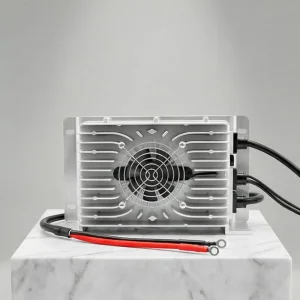
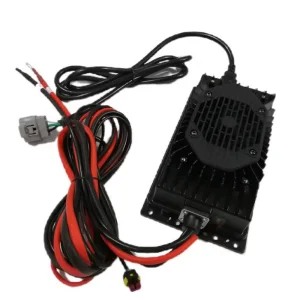
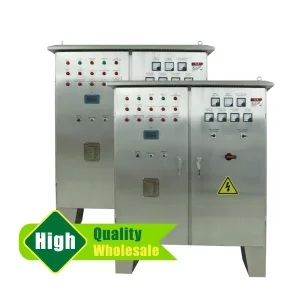
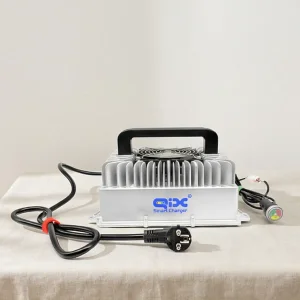
Engineered to withstand extreme maritime environments, designed for high-salinity ports like Porto Montenegro and Kotor.
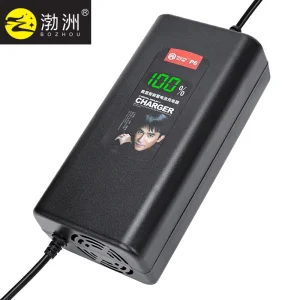
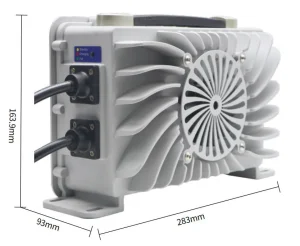
Montenegro, bordered by the pristine Adriatic Sea, is undergoing a rapid transition within its maritime and logistics industries. With world-class destinations like Porto Montenegro in Tivat, the historic Bay of Kotor, and the commercial logistics hub at the Port of Bar, the demand for high-reliability marine electronics has never been higher. As environmental regulations across the Mediterranean tighten, commercial fleets, superyachts, tourism ferries, and service tenders are systematically transitioning toward hybrid and purely electric propulsion architectures.
Our role as a primary exporter and technology supplier of marine battery chargers is to deliver robust, high-frequency, smart charging systems that support this transition. Operating in saltwater environments introduces significant corrosion risks, thermal stressors, and voltage stability issues. These issues are common during shore-power connections at varying European marina grids. Hyper Charger addresses these distinct realities with specialized potting compounds, marine-grade alloys, and intelligent micro-controlled charging curves designed for longevity and safety.
Providing engineered answers to the critical pain points faced by commercial vessel operators, shipyard engineers, and fleet distributors.
Seawater aerosol and salt mist rapidly degrade standard electrical enclosures. Our chargers utilize marine-grade aluminum casings paired with fully encapsulated electronics (IP65 to IP67 sealing rates) to prevent moisture ingress and conductive dust failures.
Shore power across different coastal zones can experience wide voltage drops and frequency shifts. Our chargers feature active Power Factor Correction (PFC) and a wide input voltage range (from 90V to 264V or 380V to 440V phase-to-phase) for reliable energy transfer.
Contemporary Adriatic fleets deploy a diverse range of chemical systems, including Lead-Acid (AGM, Gel, Wet) and advanced Lithium-Ion (LiFePO4, NMC). Hyper Charger provides multi-stage charging algorithms specifically coded for each chemistry to optimize cell lifespan.
Leveraging state-of-the-art power electronics, digital communication, and intelligent thermal management.
At Guangdong Hyper Charger Co., Ltd., our engineering departments have outlined an aggressive roadmap targeting optimal power density and digital integration. As vessel propulsion transitions toward integrated CAN bus control systems, marine chargers must act as bi-directional smart nodes within the vessel’s network.
| Feature/Technology | Current Standard | Next-Generation (Roadmap) | Benefit for Marine Fleet Operators |
|---|---|---|---|
| Power Semiconductor | Silicon MOSFET / IGBT | Gallium Nitride (GaN) / Silicon Carbide (SiC) | Up to 96% efficiency, reduced device footprint, and lower cooling requirements in cramped engine rooms. |
| Telemetry Protocol | RS-485 / Modbus | NMEA 2000 Compliance / CAN bus (SAE J1939) | Seamless dashboard monitoring of charger status, cell temperatures, and history from the vessel helm. |
| Thermal Architecture | Forced Air Cooling (IP34/IP54) | Liquid Cooling & Direct Plate Conduction | Hermetically sealed systems with zero fan noise, ideal for high-humidity bilges and high-end luxury passenger yachts. |
| Diagnostic System | On-board LED Fault Codes | IoT-Enabled Wi-Fi/Bluetooth with Cloud Analytics | Predictive maintenance notifications sent to onshore port managers before a battery module suffers critical degradation. |
For nearly 15 years, Guangdong Hyper Charger Co., Ltd. has stood as a hallmark of reliability and structural excellence in industrial-grade battery charging technologies.
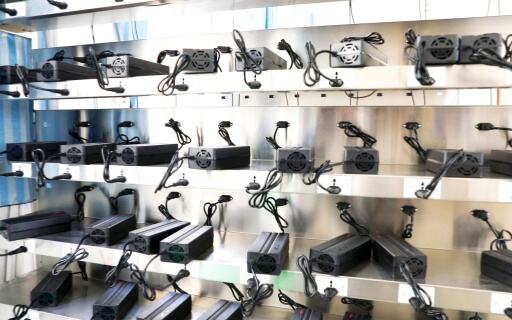
Operating from a state-of-the-art 20,000+ square meter production facility, we integrate structural design, electromagnetic compatibility testing, precision PCB soldering, automated programming, and comprehensive load-bank aging tests under one roof. With over 1,000 active models exported globally, we deliver solutions across Europe, Southeast Asia, and the Americas.
Our rigorous quality-assurance framework relies on three-tier inspections during structural assembly and a mandatory high-temperature burn-in procedure for every finished batch. We guarantee safety, absolute compliance, and field reliability.

Heavy-duty power converters, smart pulse maintainers, and high-capacity units designed for commercial maritime sectors.
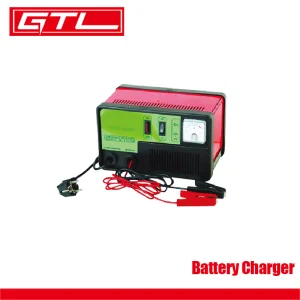
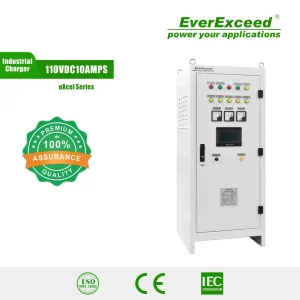
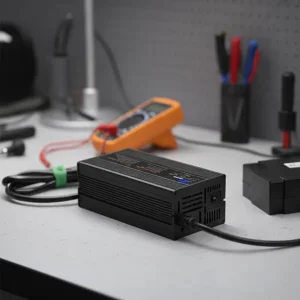
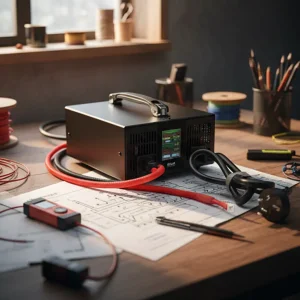
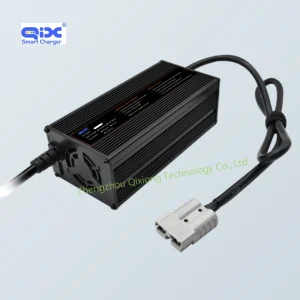
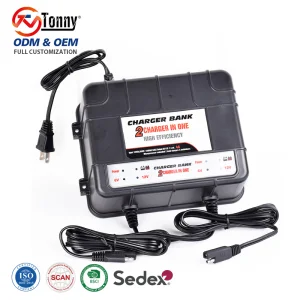
Flexible customization architectures configured to specific voltage curves, communication systems, and physical dimensions.
Standard retail chargers rarely satisfy the complex load profiles of commercial marine systems. Every yacht builder, tourist ferry fleet, and naval facility in the Balkan region has distinct physical layouts, heat extraction profiles, and safety networks.
Hyper Charger provides a structured OEM/ODM framework. Within this framework, custom firmware values can be uploaded for custom lithium curve management, active thermal sensors, and direct visual telemetry systems.
Whether your project requires high-voltage outputs up to 400V or dual-bank designs with isolated charging paths, our technical engineering office will provide comprehensive schematic plans and prototype testing parameters before volume manufacturing begins.
Compliance is not optional in safety-critical marine environments. Our battery chargers undergo rigorous testing to ensure alignment with international maritime and industrial standards:
Technical expertise answering common queries from marine engineers, suppliers, and procurement managers in the Adriatic region.
Marine chargers are designed to operate in high-humidity, high-salinity environments. They feature epoxy-potted internal electronics, corrosion-resistant hardware, and specialized isolation transformers to prevent galvanic corrosion. They also comply with strict marine safety regulations to avoid igniting fuel vapors in confined bilge spaces.
Yes. All of our marine charging models exported to the Adriatic and European markets carry valid CE certifications, comply with RoHS standards, and meet relevant Electromagnetic Compatibility (EMC) regulations to prevent interference with critical onboard communication systems.
An IP66 rating indicates that the charger is protected against high-pressure water jets from any direction. IP67 denotes that the unit can be temporarily submerged in water (up to 1 meter for 30 minutes) without liquid entering the casing. This level of protection prevents catastrophic component failures caused by deck washdowns or bilge flooding.
Yes. Our smart chargers feature programmable or auto-recognition charging profiles. This allows the system to adjust output parameters, such as voltage limits and current rates, to match the specific chemistry profile of the connected battery bank. This feature prevents overcharging and extends overall battery life.
Standard model production typically ranges from 15 to 25 days depending on the volume. Custom OEM/ODM models with specialized firmware require an additional 10 to 15 days for engineering evaluation. Shipping to major Adriatic maritime hubs, such as the Port of Bar, can be arranged via sea freight, air cargo, or express rail logistics.
Get in touch with our design engineers to select the optimum topology, casing design, and input requirements for your maritime applications in Montenegro.
Send Inquiry Now Hyper Charger