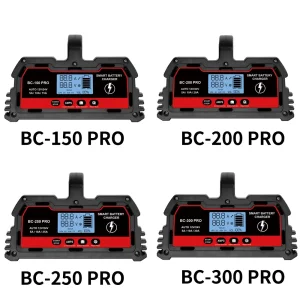
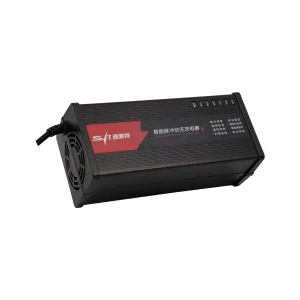
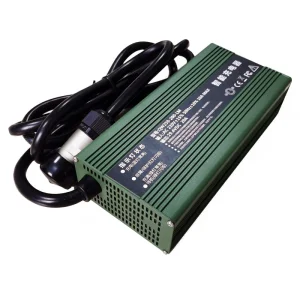
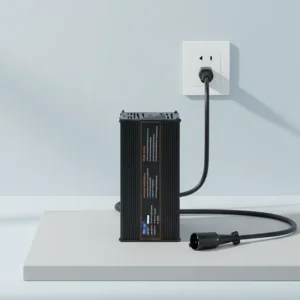
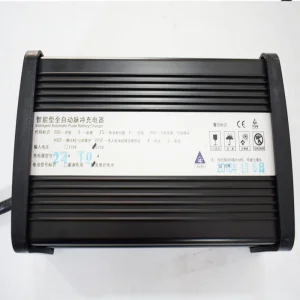
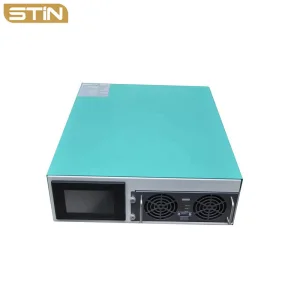
Hyper Charger
1. Executive Summary & Local Context
The Republic of Maldives, an archipelago consisting of 26 natural atolls spread across the Indian Ocean, represents a highly distinct operating environment for industrial energy systems. Unlike mainland economies, Maldivian enterprises—spanning luxury resorts, regional maritime transport hubs, telecom installations, and municipal microgrids—are decentralized by nature. This geographic separation presents immense logistical and operational challenges, particularly in energy storage maintenance.
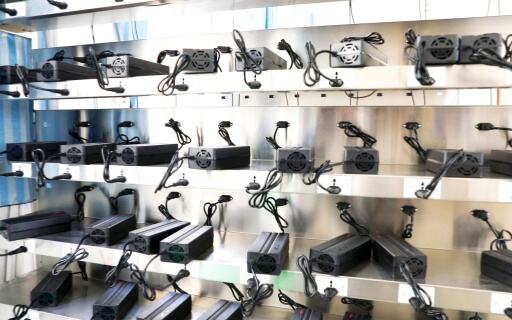
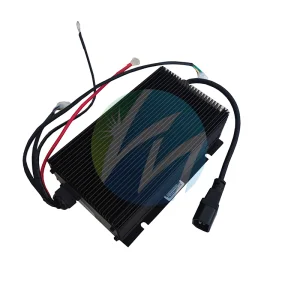
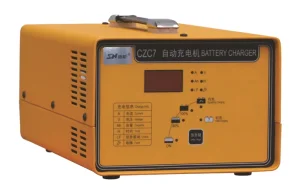
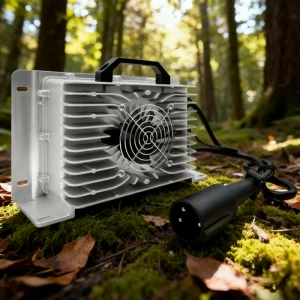
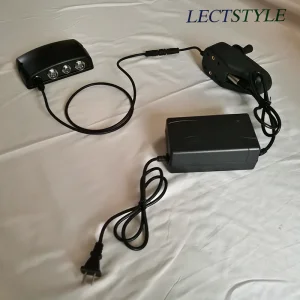
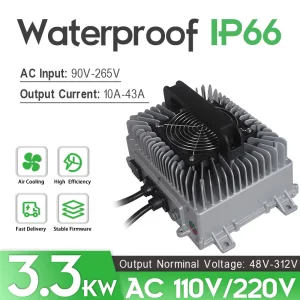
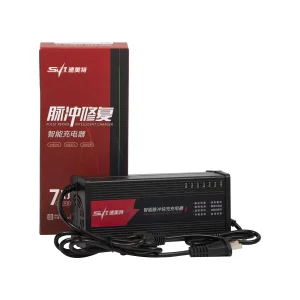
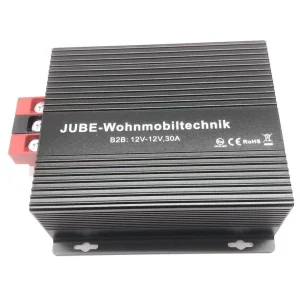
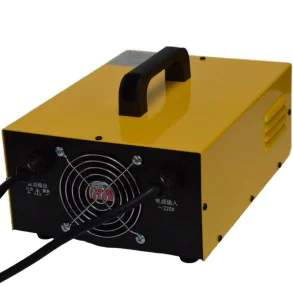
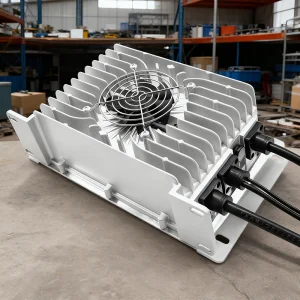
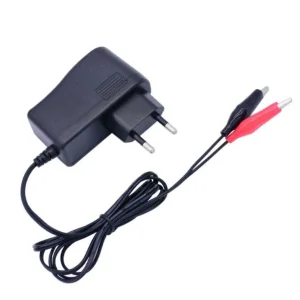
Gel batteries (Gelled Electrolite Lead-Acid Batteries) have become the cornerstone of off-grid and backup power systems across the Maldives due to their structural robustness, deep discharge capabilities, and resistance to thermal runaway. However, a gel battery's operational lifespan is directly linked to the precision of its charging regime. Suboptimal charging leads to rapid sulfation, dehydration of the silica gel, and premature cell death. As a leading gel battery charger exporter in the Maldives, Guangdong Hyper Charger Co., Ltd. provides smart, multi-stage, high-efficiency chargers designed to counter these local challenges.
2. The Maldives Commercial & Industrial Energy Challenge
Deploying electrical equipment in the Maldives requires strict engineering adaptations due to three distinct environmental stressors:
- High Atmospheric Salinity: Extreme salt-mist concentrations accelerate galvanic corrosion on copper terminals, printed circuit boards (PCBs), and metallic enclosures, leading to short-circuits.
- Elevated Ambient Temperatures: Maldives maintains an average temperature above 30°C. In confined engine rooms or outdoor battery cabinets, temperature levels can exceed 45°C. Excessive heat reduces a gel battery’s charging voltage threshold. Without intelligent temperature compensation, standard chargers will overcharge and permanently destroy the gel matrix.
- Decentralized Power Grids: Many islands rely on diesel generator microgrids or hybrid solar-diesel systems. This leads to frequent voltage transients, frequency fluctuations, and harmonic distortions that standard retail-grade chargers cannot survive.
3. Advanced Technical Path: Multi-Stage Charging Profiles
To maximize Gel battery investment return, industrial operators require smart charging algorithms. Standard chargers apply a constant voltage and current profile, which causes overheating and gassing. Guangdong Hyper Charger Co., Ltd. builds smart microprocessor-controlled units utilizing a 3-Stage or 4-Stage automatic charging cycle:
Stage 1: Bulk Charge (Constant Current)
The charger delivers its maximum rated current output to rebuild energy levels up to approximately 80% capacity. Our units integrate Soft-Start circuitry, which gradually ramps up current to protect aged or deeply discharged gel cells from thermal shock.
Stage 2: Absorption Charge (Constant Voltage)
The voltage is held constant while current consumption naturally tapers down. For Gel chemistry, this voltage must be kept within tight parameters (typically 2.38V to 2.40V per cell at 25°C) to prevent the gelled electrolyte from fracturing or releasing gas through safety valves. Our chargers use dynamic temperature sensors to adjust this threshold in real time.
Stage 3: Float Charge (Maintenance Voltage)
Once fully charged, the system drops to a low float voltage (around 2.25V per cell) to offset self-discharge. This allows the battery to remain online indefinitely without dry-out or plate corrosion.