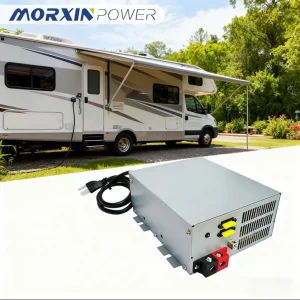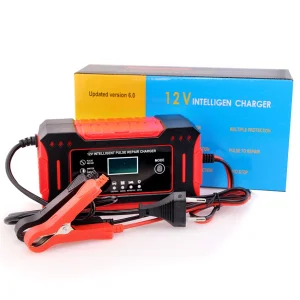
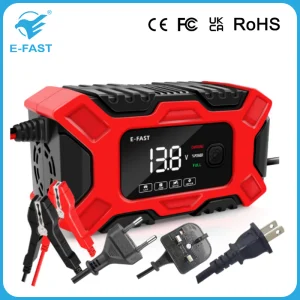
In the vibrant tropical climate and maritime environment of Castries, Saint Lucia, standard battery chargers frequently fail. High humidity, constant exposure to corrosive coastal salt air, and power fluctuations from local distribution lines cause early component degradation and battery sulfation. As a leading global smart trickle charger manufacturer, Guangdong Hyper Charger Co., Ltd. addresses these challenges by engineering ruggedized, temperature-compensated, and intelligent float charging systems designed to maximize battery longevity for Caribbean businesses.
From tourism-related rental car fleets at George F. L. Charles Airport to heavy-duty marine backup systems at Port Castries, our technology mitigates sulfation, balances cells, and manages thermal states with high accuracy. This white paper highlights how our smart trickle chargers provide a reliable solution for Castries importers, commercial operators, and distributors.
As the administrative and economic hub of Saint Lucia, Castries handles both heavy cruise tourism and marine commercial traffic. Yacht charters, catamaran operators, and fleet car agencies require high battery reliability to maintain operations. However, the tropical marine environment presents several challenges:
1. High-Salinity Marine Environments: Port Castries and nearby Rodney Bay Marina host extensive marine vessels. Salt air accelerates corrosion on standard electrical terminals. Trickle chargers must be designed to resist moisture and corrosion.
2. Elevated Ambient Temperatures: With average temperatures in Castries ranging from 25°C to over 31°C, batteries operating in engine bays or outdoor utility spaces run hot. Standard chargers lack real-time temperature compensation, which can lead to overcharging, electrolyte boil-off, and thermal runaway.
3. Variable Grid Quality: Caribbean electrical infrastructure can experience voltage sags, spikes, and periodic utility interruptions. Industrial-grade trickle chargers need robust input voltage tolerances and auto-restart capabilities to maintain batteries during unattended storage.
Guangdong Hyper Charger Co., Ltd. design platforms integrate advanced charging algorithms and rugged hardware for regional exporters and industrial buyers:
7-Stage Intelligent Pulse Micro-Controller (MCU) Programs: Our trickle chargers employ multi-stage cycles (Desulfation, Soft Start, Bulk, Absorption, Test, Recondition/Pulse, and Float). Instead of applying a continuous voltage, the charger monitors the battery's internal resistance to adjust charging rates and prevent plates from sulfating.
Dynamic Temperature Compensation: Built-in thermal sensors read external temperatures and adjust the target float voltage. In the St. Lucian heat, the charger lowers the float threshold to protect the battery, while during cooler rain events, it adjusts upward to ensure a full charge.
LiFePO4 & AGM Lead-Acid Compatibility: As local solar projects and marine designs adopt Lithium Iron Phosphate (LiFePO4) chemistries, our chargers offer dual-profile support, adjusting cut-off voltages to protect BMS boards.
Most standard float chargers maintain a constant 13.8V output regardless of temperature. At 32°C (common in St. Lucia engine rooms), this continuous voltage causes gassing in lead-acid batteries, leading to early plate degradation. Our smart chargers utilize dynamic voltage adjustment (adjusting voltage downward at a rate of -3mV/°C/cell above 25°C) to help protect battery plates from drying out and prevent premature failure.
For operators in Castries Harbour, our trickle chargers help maintain starting batteries on catamarans and yachts during seasonal storage. High-level water and dust ingress protection options shield the sensitive internal electronics from salt-spray damage.
Car rentals operating near international airports require quick turnaround capability. Our smart desulfators can help recover deeply discharged batteries, helping fleet operators reduce replacement costs.
As Saint Lucia transitions toward decentralized solar systems, our chargers work alongside battery banks (both lead-acid and LiFePO4), providing stable float currents to maintain balance during periods without sunlight.
Guangdong Hyper Charger Co., Ltd. is a professional manufacturer specializing in the research, development, and production of battery chargers. With nearly 15 years of industry experience, we have established a strong reputation for delivering reliable, efficient, and innovative charging solutions to customers worldwide.
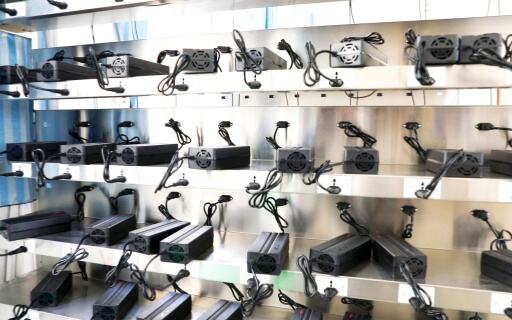
Our company operates a modern production facility covering more than 20,000 square meters, supported by an experienced R&D team and a skilled technical workforce. We offer a diverse portfolio of over 1,000 charger models, designed to meet a wide range of applications.
We provide comprehensive charging solutions for both lead-acid batteries and lithium batteries. Our products are widely used in automotive, motorcycles, recreational vehicles (RVs), golf carts, forklifts, cleaning equipment, agricultural machinery, and various industrial tools.
At Guangdong Hyper Charger Co., Ltd., quality is at the core of everything we do. We implement strict production processes along with a comprehensive quality control system. Each product undergoes three rigorous inspection procedures during manufacturing, and every batch is subjected to aging tests before shipment. This ensures long-term stability, safety, and consistent performance, guaranteeing that all delivered products meet high-quality standards.
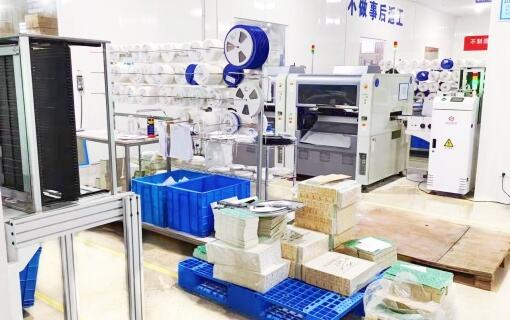
Our production process is highly standardized and automated. From PCB soldering to final assembly, all stages are completed using advanced high-precision equipment and premium electronic components. This not only improves production efficiency but also ensures consistency and reliability across large-volume orders.
Beyond our standard product range, we offer flexible OEM and ODM customization services. Whether you require specific product designs, customized appearances, or tailored technical parameters, we can develop solutions based on your exact requirements. We look forward to building long-term cooperation and providing you with high-quality, customized charging solutions.
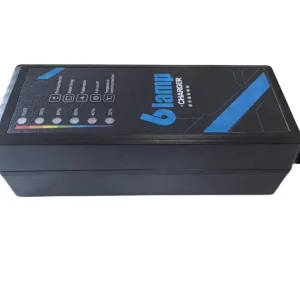
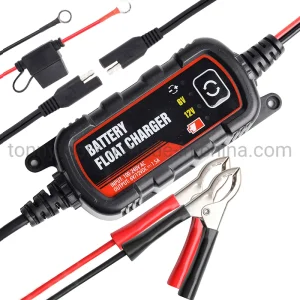
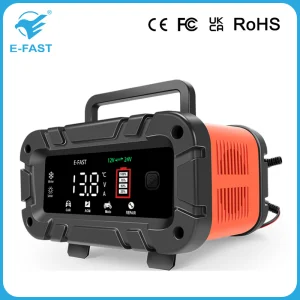
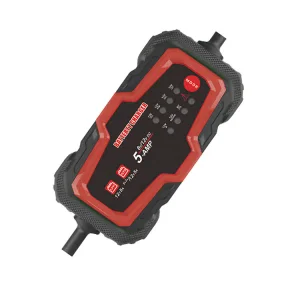
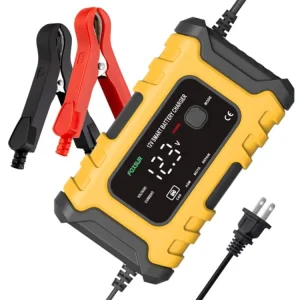
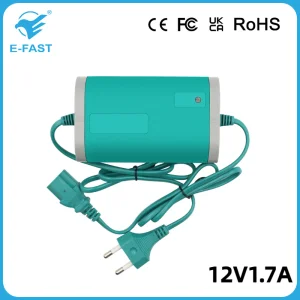
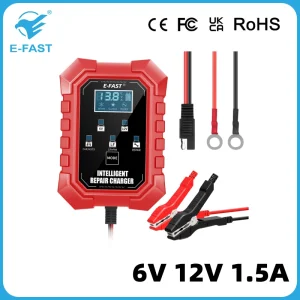
Our trickle chargers are designed to meet electrical safety standards for the Saint Lucian market (which operates primarily at 230V, 50Hz, utilizing Type G British plugs). Key built-in protections include:
• Overvoltage & Surge Protection: Protects the charger against power spikes common during local electrical storms.
• Reverse Polarity & Spark-Proof Technology: Disables output current if terminal clamps are incorrectly connected, preventing accidental shocks.
• IP Rating Certification: Available dust- and water-resistant designs to protect electronics in coastal marine settings.
We understand that brand identity and specific technical applications vary. Guangdong Hyper Charger Co., Ltd. offers customization options for our products:
• Brand Labeling & Shell Molding: Custom branding, colors, and housing designs to suit your distribution network.
• Specialized Programming: Customized charging stages and voltages designed for specific industrial or solar battery applications.
• Custom Regional AC Plugs: Standard UK 3-pin (Type G) configurations are available direct from the factory floor.
 Hyper Charger