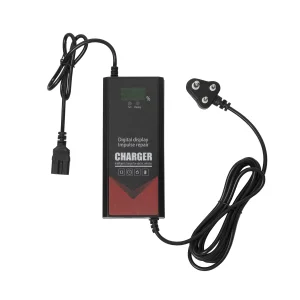
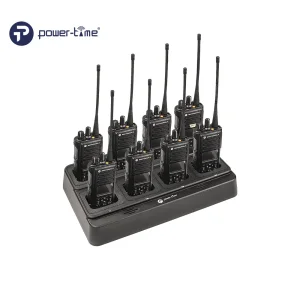
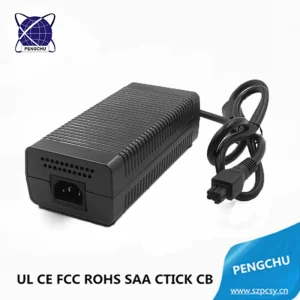
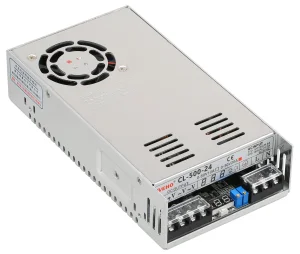
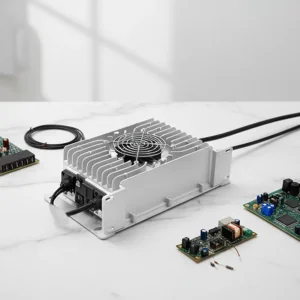
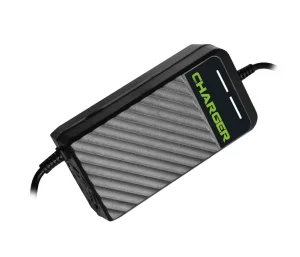
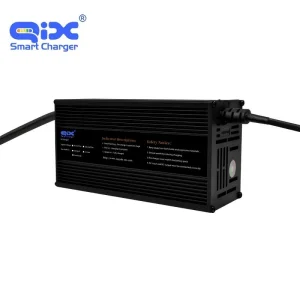
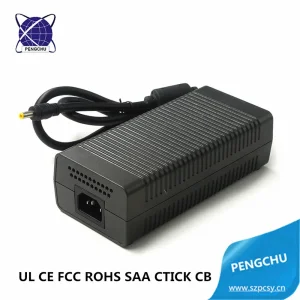
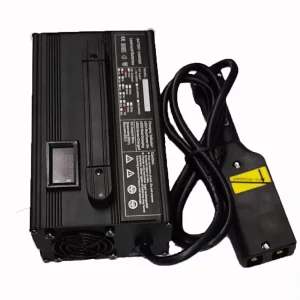
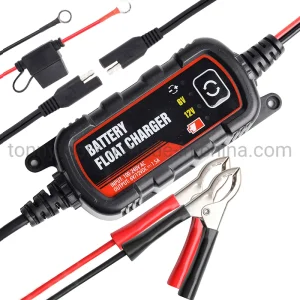
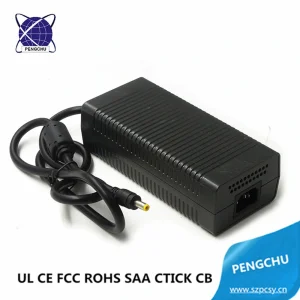
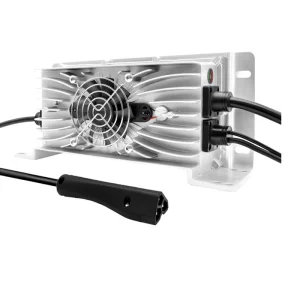
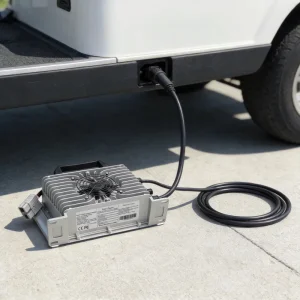
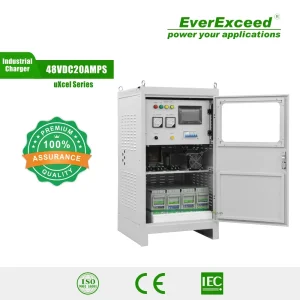
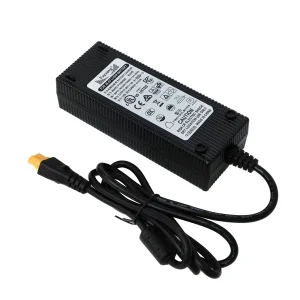
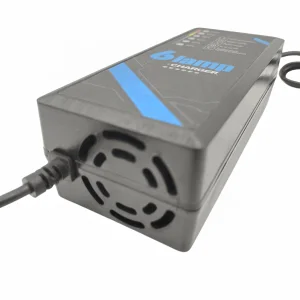
To achieve maximum lifespan and prevent thermal runaway in high-capacity gel batteries, pairing them with precision-engineered smart chargers is critical. Below is the curated selection of our high-efficiency industrial chargers, engineered to support complex charge profiles across VRLA, AGM, and Gel chemistries.
The energy storage landscapes of today demand resilience, long cyclic life, and exceptional safety. In comparison to traditional flooded lead-acid batteries and AGM configurations, the modern Gel Battery (Gelled Electrolyte Lead-Acid) stands out as a critical evolution. By introducing fumed silica into the sulfuric acid electrolyte, a thixotropic gel matrix is formed. This gel structure immobilizes the liquid acid, drastically reducing evaporation, acid stratification, and leakage risks.
Recent developments utilize high-purity nano-silica structures to minimize shrinkage cracks in the gel, creating a uniform pore network. This enhancement ensures constant contact with the active plates, preventing cold-weather capacity drops and hot-climate structural failure.
Moving from flat paste plates to tubular positive plate configurations allows the battery to withstand deep discharges without shedding active materials, lengthening structural longevity to upwards of 15–20 years in stationary applications.
By blending carbon composites into the negative active material, factories have mitigated negative plate sulfation. This creates an optimized hybrid gel-lead-carbon unit capable of operating in Partial State of Charge (PSoC) cycles.
International industrial procurement teams do not purchase gel batteries purely based on unit cost. Global sourcing matrices focus heavily on compliance, total cost of ownership (TCO), and supply chain continuity. When evaluating factories for infrastructure projects, standardizing on key performance indicators (KPIs) is critical.
| Procurement Pillar | Technical Standards & Metrics | Critical Sourcing Requirements |
|---|---|---|
| Quality Certifications | ISO 9001, ISO 14001, OHSAS 18001 | Evidence of automated manufacturing tolerances & regular environmental compliance audits. |
| Safety & Compliance | IEC 60896-21/22, UL1989, CE, RoHS | Mandatory certification for telecom grid compliance and international distribution routes. |
| Discharge Durability | DOD (Depth of Discharge) of 80% | Ability to withstand dynamic deep cycling without rapid capacity deterioration. |
| Charging Optimization | Multi-stage Intelligent Profile Compatibility | Seamless compatibility with smart, temperature-compensated charging systems to prevent overcharge. |
Based on global market share, manufacturing technologies, regulatory compliance, and R&D innovations, the following companies represent the premier tier of Gel Battery production:
Overview: Managing the world's largest single-site lead-acid battery facility, East Penn produces premium VRLA Gel batteries under the Deka brand. Their designs are optimized for marine, telecom, and industrial applications.
Key Advantage: Highly integrated internal circular recycling systems.Overview: As a pioneer in storage energy solutions, Exide's Sonnenschein brand is historically credited with the invention of gel dryfit® technology. They set the standard for high-durability military and utility configurations.
Key Advantage: Exceptional performance profiles in extreme deep-cycling scenarios.Overview: A primary player in the green energy storage market, Shoto dominates supply chains for global telecom networks and server installations requiring high-durability VRLA gel installations.
Key Advantage: High density gel configurations with extended shelf life.Overview: Narada specializes in both industrial battery manufacturing and energy system integration. Their polymer-gel series offers superior cyclic profiles for solar-hybrid installations.
Key Advantage: Specialized high-temperature gel formulations.Overview: A massive global manufacturing exporter with multiple production bases globally. Leoch manufactures a extensive range of Gel batteries for UPS backup, powersports, and solar setups.
Key Advantage: Global supply chain availability and custom casing design.Overview: Noted for high-end German engineering, Hoppecke's OPzV tubular gel solutions represent the premium choice for European railway grids, utility infrastructure, and renewable storage.
Key Advantage: Highly engineered positive tubular plate structure.Overview: Part of the Showa Denko Group, FIAMM provides robust industrial batteries with high discharge performance, optimized for critical infrastructure backup.
Key Advantage: High thermal mass stability preventing thermal runaway.Overview: Consistently recognized for high-quality production control. GS Yuasa's industrial VRLA and Gel systems run complex power backup networks in data centers throughout Asia and North America.
Key Advantage: Premium lead alloys and rigorous Japanese QC processes.Overview: Historically famous for deep-cycle flooded batteries, Trojan's specialized gel line provides robust, maintenance-free performance in utility vehicles, golf carts, and aerial work platforms.
Key Advantage: Proprietary Alpha Plus® Paste formulation.Overview: An early explorer in China's industrial valve-regulated battery industry. Vision’s Gel batteries maintain a reputation for consistent discharge characteristics and low internal resistance.
Key Advantage: Advanced grid alloy configurations for slow self-discharge.Modern battery procurement requires evaluating the manufacturing ecosystems surrounding the components. The Chinese industrial complex is transitioning into a Factory 4.0 Paradigm. By deploying end-to-end automation, smart quality tracking, and automated sorting networks, modern factories are able to produce energy storage systems with exceptional consistency.
A key aspect of this supply chain resilience is the integration of power electronics. While gel battery manufacturers build robust storage units, their field reliability is closely tied to the quality of their charging infrastructure. This is where specialized power electronic manufacturers bridge the gap.
Guangdong Hyper Charger Co., Ltd. is a leading specialized manufacturer focusing on the research, design, and production of battery charging solutions. Over the past 15 years, our team has built a strong international footprint, supplying advanced power electronics to OEMs and industrial system integrators worldwide.
Our operations are based out of a modern manufacturing facility covering more than 20,000 square meters, staffed by an experienced R&D team and a highly trained technical workforce. With a portfolio that includes over 1,000 charger models, we cater to a wide range of demanding commercial and industrial applications.
We deliver specialized charging solutions for both lead-acid chemistries (including Gel, AGM, and Flooded) and lithium-based chemistries. Our systems are widely utilized in automotive, material handling, golf carts, marine propulsion, agriculture, and industrial systems.
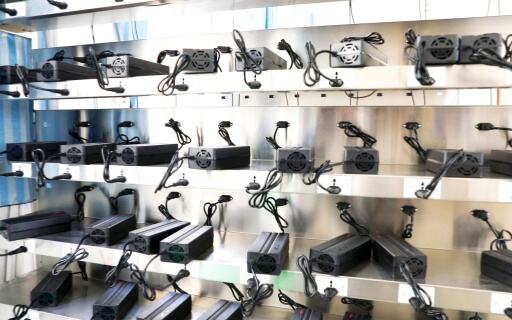
Because gel batteries use immobilized gelled electrolytes, they are sensitive to improper charging profiles. Overcharging can cause high gas pressure, which forces pockets to form within the gel. This reduces active contact area and permanently damages the battery.
To avoid this, systems require micro-processor-controlled charging steps:
The charger delivers constant current to bring the battery up to approximately 80% capacity. Precise control during this phase prevents overheating and rapid thermal buildup.
The voltage is held constant while current tapers off. For gel batteries, the absorption voltage must be kept within tight limits (usually between 2.38V to 2.42V per cell) to prevent drying out the gel.
A lower voltage is applied to keep the battery charged. Pulse charging techniques are used to break up minor sulfation without generating heat.
Gel batteries and specialized charging systems are deployed in various settings around the world, each with its own environmental challenges:
High ambient temperatures cause traditional AGM batteries to dry out. Gel batteries offer stable performance in warm climates, but they must be paired with temperature-compensated chargers to avoid thermal issues.
Solar arrays often experience partial state of charge (PSoC) cycles. Using gel batteries alongside smart controllers helps prevent rapid sulfation during extended cloudy periods.
Bouncing and vibration can damage internal components in flooded batteries. Gel batteries are completely sealed, spill-proof, and can be mounted at angles. Dynamic, waterproof multi-stage chargers are essential to withstand marine environments.
We understand that off-the-shelf options don't fit every application. Guangdong Hyper Charger provides customized solutions tailored to your technical requirements. We customize charging profiles, enclosure designs, ingress protection levels, and connectivity protocols to match your system needs.
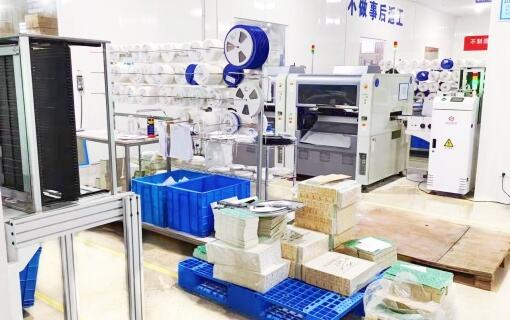
From PCB design and automated assembly through to full-scale testing, our engineers work alongside your product teams to deliver efficient, reliable chargers for your systems.
Find answers to common questions about Gel Battery systems, integration, and charging parameters:
AGM (Absorbent Glass Mat) batteries use a porous fiberglass separator to hold the liquid acid electrolyte, making them suitable for high-rate discharge. Gel batteries use a silica additive to turn the electrolyte into a thick gel. This design offers better heat dissipation and cycle life, especially in deep-discharge and high-temperature environments.
Generally, no. Standard chargers often use charge voltages exceeding 14.4V, which can overheat gel electrolytes and cause premature dry-out. Gel batteries require smart, temperature-compensated chargers with a specific charge profile to prevent damage.
Thermal runaway occurs when internal heat generation exceeds the battery's ability to dissipate it, causing the cell to take in more current and heat up further. This can be prevented by using chargers with built-in temperature sensors, which reduce output voltage as temperature rises.
Look for international certifications such as IEC 60896-21/22, UL1989, and ISO 9001. A reliable factory should also offer full traceability for its raw materials, automated plate pasting, and active vacuum drying capabilities.
We customize charge profiles (CC/CV, dynamic pulse), housing options (IP67 waterproof casings), input/output connections, and communication ports (CAN bus, Modbus, Bluetooth) to integrate smoothly with your systems.
Explore our second group of advanced industrial chargers. These designs focus on multi-voltage adaptability, outdoor durability, and precise control for demanding applications:
 Hyper Charger